

Places: The Temple
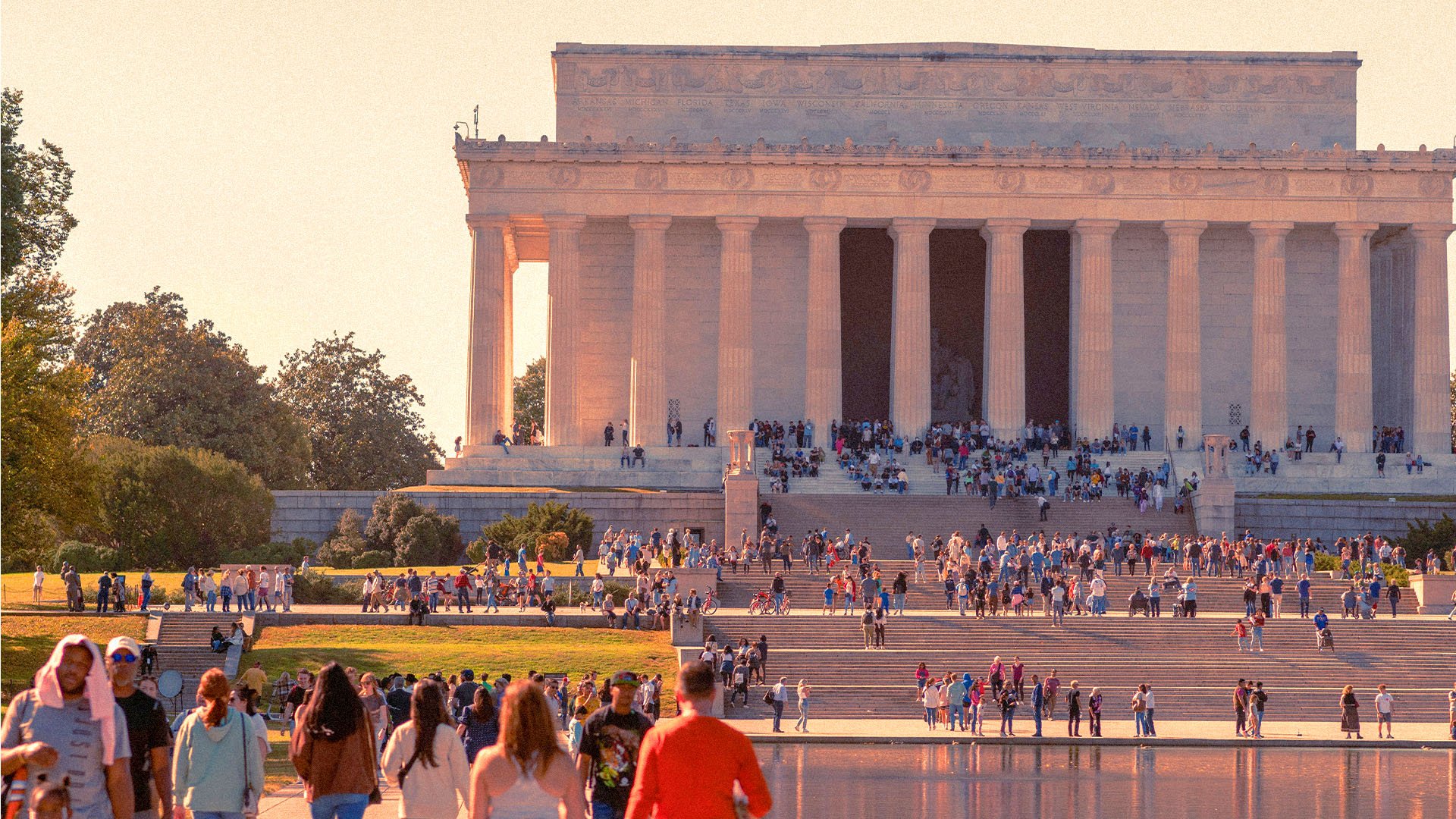
Some of his disciples were remarking about how the temple was adorned with beautiful stones and with gifts dedicated to God. But Jesus said,“As for what you see here, the time will come when not one stone will be left on another; every one of them will be thrown down.” (Luke 21:5-6)
Throughout the Gospel of Luke, the Temple plays a prominent role. It’s the place where we find Zechariah ministering before God, when the angel Gabriel appears and promises the fulfillment of a long-awaited prayer (Luke 1:5-24). It’s the place where Jesus is heralded as the Messiah by Simeon and Anna, two elders who faithfully served the Lord for decades (Luke 2:22-38).
The Temple is also where we find Jesus as a pre-teen on a journey to Jerusalem. He locates the religious teachers of his day and sits with them around God’s word. He must be about His Father’s business (Luke 2:41-50).

The Temple in the Gospel of Luke is not the same Temple that Solomon built. That Temple was destroyed when King Nebuchadnezzar and the Babylonians ransacked Jerusalem, attempting to annihilate an entire civilization and scattering God’s people throughout Babylonian territory. The Temple we see in Luke’s gospel is the post-exile Temple. When the people of God returned to their homeland under the direction of Zerubbabel, the governor, and Joshua the high priest, with the prophets Zechariah and Haggai proclaiming restoration, repentance, and renewal. It was then that they rebuilt what had been destroyed. It was a sign that God would always dwell with His people.
But the people forgot that God's presence was never in the building of temples. It was found among an obedient, covenant people. The prophet Ezekiel testified that God’s presence departed from the Temple and went into exile with His people. God would be with them even in their distress. Even in discipline, He would go with them in their suffering. The mark of their faith was never buildings and institutions, but the presence of God that cannot be contained by them.
That’s why when we find Jesus in 1st-century Israel, we see Him alongside a massive Second Temple complex greatly expanded by Herod the Great. This place is treated as holy, while the Messiah who comes to bring freedom and the restoration of God’s presence to a weary and overburdened people is overlooked. Yet time and time again, we see people choosing their institutions over Jesus.
Have you ever confused the place you meet God with God Himself? That’s exactly where the people were. They prized their great Temple, their synagogues, and their religious teachers above God. It all became icons and symbols of idolatry. Our culture has done the same thing. Prizing church buildings above obedience, the accumulation of people over the loving of them, and the fame of men above the presence of God.
The Temple was never the problem. Stones and systems aren’t inherently evil. God ordained them. The problem is what happens when the container becomes more precious than what it holds. When the building outlasts the presence. When the institution survives, the Spirit.
That’s the world Jesus walked into. And honestly, it’s the world we live in, too. We’ve built our own temple complexes. Churches chasing influence, denominations protecting turf, theological tribes mistaking correctness for communion. We’ve done exactly what Israel did. We prized the house over the Host.
We even see it playing out on the world stage. People are dying over the Holy Land, as if God’s presence is tied to geography or ethnicity. As if the stones themselves carry the Spirit. Luke’s Jesus says otherwise. The presence moves; it cannot be owned or nationalized. That’s why Ezekiel saw it leave. That’s why the veil tore.
But here’s what Luke wants you to see: Jesus didn’t come to renovate the Temple. He came to replace it.“Destroy this temple,” He said, “and in three days I will raise it up.” He was talking about His body. He was talking about himself. The presence of God is no longer housed in stone. It’s housed in a risen Savior, and in every person who carries Him into the world.
The Temple is gone. The presence remains. Where are you looking for it?

ABOUT THE AUTHOR
Danny Brister, Jr.is the President & Founder of Forged: Birmingham Leadership Foundation. He is a writer and public thinker whose work sits at the intersection of faith, leadership, and community development. He writes at Act Justly Love Mercy and is based in Birmingham, Alabama. Follow this writer’s work on substack, click here.