Palm Sunday: “The City”
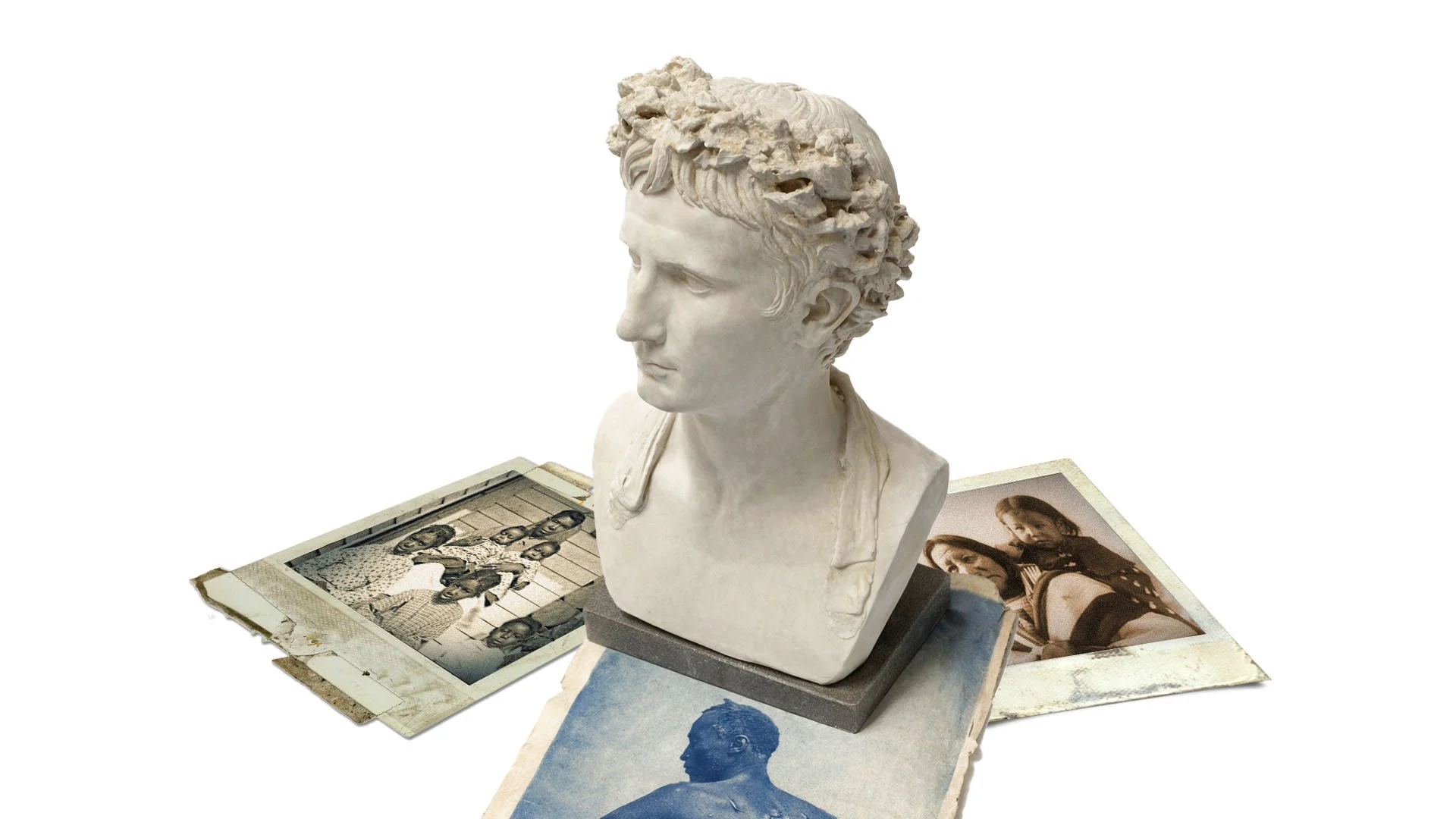
I met a traveller from an antique land,
Who said—“Two vast and trunkless legs of stone
Stand in the desert. . . . Near them, on the sand…
And on the pedestal, these words appear:
My name is Ozymandias, King of Kings;
Look on my Works, ye Mighty, and despair!"
Nothing beside remains. Round the decay
Of that colossal Wreck, boundless and bare
The lone and level sands stretch far away.
Excerpt from Percy Bysshe Shelley, “Ozymandias” from Shelley’s Poetry and Prose (1977).

Scripture Reading
“As he went along, people spread their cloaks on the road. When he came near the place where the road goes down the Mount of Olives, the whole crowd of disciples began joyfully to praise God in loud voices for all the miracles they had seen:
“Blessed is the king who comes in the name of the Lord!”
“Peace in heaven and glory in the highest!”
Some of the Pharisees in the crowd said to Jesus, “Teacher, rebuke your disciples!”
“I tell you,” he replied, “if they keep quiet, the stones will cry out.” As he approached Jerusalem and saw the city, he wept over it and said, “If you, even you, had only known on this day what would bring you peace—but now it is hidden from your eyes.”
(Luke 19:36-42)

Take With You
When Jesus arrived in Jerusalem with his disciples for the Passover Feast, he knew he was entering a divided city. He had conducted much of his ministry in Galilee, and the people who had traveled from there would have been buzzing with excitement about this radical rabbi who could work wonders. But the authorities had a different opinion. “Rebuke your disciples”, they demanded. The crowd was yelling “Hosanna,” which means save us. To the Romans, it sounded like a threat. To anyone responsible for keeping order, it sounded dangerous. But Jesus responds unexpectedly. “…If they keep quiet, the stones will cry out.”
Throughout Scripture, stones symbolize remembrance, marking moments when God intervenes. In Hebrew and Aramaic, the word for “stones” even sounds like the word for “children,” a word prophets often used in poetic wordplay. Jesus is drawing from that tradition. He echoes prophets like Habakkuk and Isaiah in his message to the Pharisees: Don’t confuse proximity with devotion. Israel was God’s chosen people, but that relationship status still required the intimacy of worship.
The Palm Sunday crowd is hard to read. Was the hype a response to the Spirit, or were they expecting Jesus to bring political freedom? Probably both, since Jesus doesn’t discourage them. But recognition is not the same as surrender. Excitement is not the same as worship. The Pharisees stood in the crowd, scoffing at the crowd's attempted worship. While Jesus looked on them with compassion, knowing their desire for salvation. Worship is always a choice; it’s not a mood or a genre. Knowing something and engaging with it are two different things.