What Does the Cross Mean?

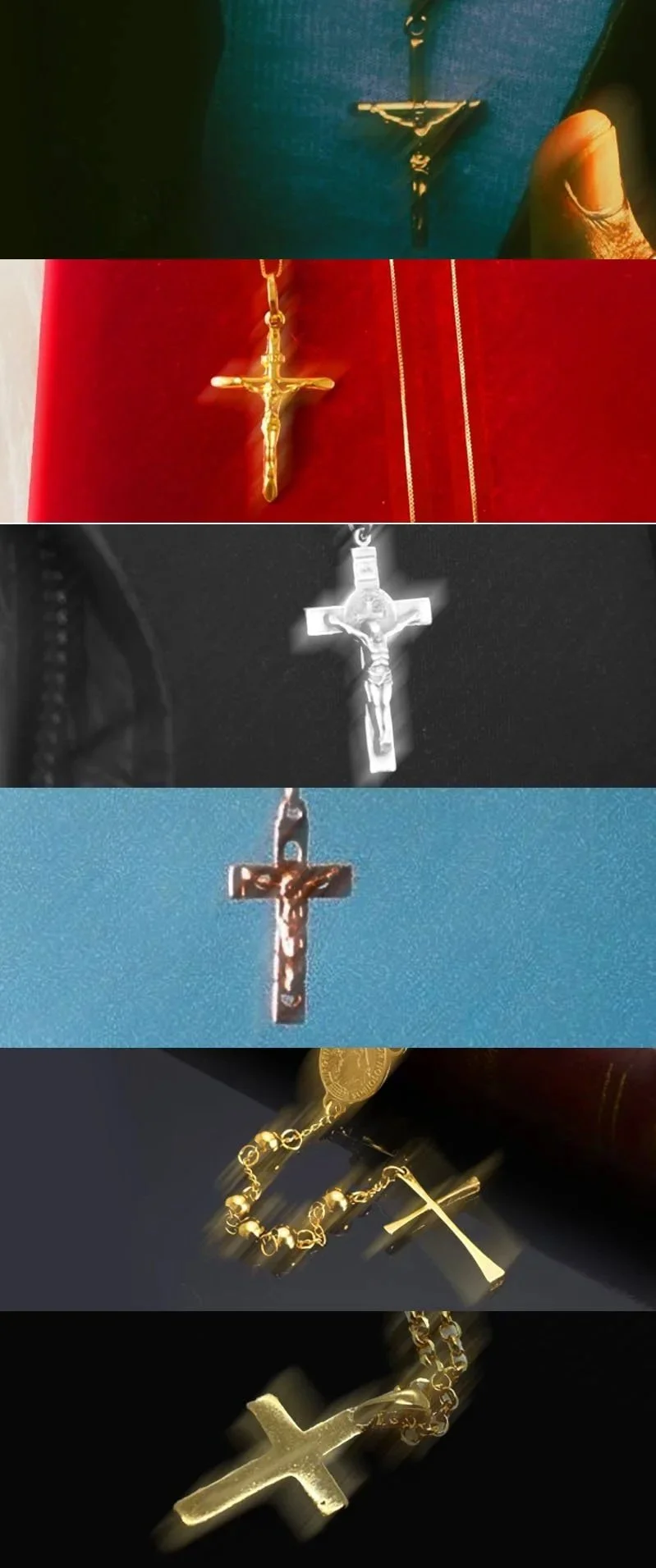
The cross has undergone one of the most dramatic rebrands in history. Long before we wore it on necklaces, it was a weapon of humiliation, used to execute rebels who dared to challenge the Empire. Crucifixion, refined by Rome but practiced earlier by the Persians, was designed to send a message: this is what happens when you resist. Thousands were crucified, such as rebels against a Macedonian king, Jews during the destruction of the Temple, and Spartacus with his entire following. Crosses were not sacred; they were warnings. Early Christians avoided the symbol altogether, choosing fish or anchors instead. And yet, somehow, it is Jesus’ cross that becomes the symbol of hope. How does an instrument of defeat become the emblem of victory?
The transformation lies not in the wood, but in what Jesus did upon it. Suffering is not unique. Billions have carried pain before us. But Jesus refused to let shame have the final word. he used it as a stage to perform his greatest miracle: resurrection. When Paul wrote, “We preach Christ crucified” (1 Cor 1:23), it was scandalous. Who boasts in a shamed leader? But that was the point: through Jesus, even the worst symbol of loss becomes a symbol of victory. Today, the cross is everywhere, on jewelry, tattoos, and clothes. It’s so familiar it can feel diluted. Yet its invitation remains. “Take up your cross and follow me” (Matt 16:24). Christ is revealed not only in what we carry, but in how we carry it. I once wore a small silver cross my dad gave me when I was thirteen. It struck me how tiny it was, far too small to hold me. Yet, our great and powerful God allowed himself to be subdued by wood and nails, so we would never have to live in fear again.