Culture in Part
The World We Experience

Genesis opens with a fascinating story. In Genesis 11:1–9, humanity gathers to build the Tower of Babel, but God confuses their languages. Suddenly, people who were working toward the same goal can no longer understand one another. Conversations about gender and sexuality often feel a lot like Babel.
When we aren't speaking the same language, it's difficult to build anything together. We may use the same words, but those words often carry very different meanings, experiences, and assumptions. Before we can discuss what we believe, we first have to understand how we're communicating.
Let's be honest: our culture has spent far more time developing language around heterosexual relationships than queer ones. For most of human history, the dynamic between a boy and a girl has been the standard for romance. We have classical stories like The Iliad or “boy starts war over girl”. We have scandalous stories like Romeo and Juliet or “boy kills himself over girl”. We even have movies like 50 First Dates or “boy falls in love with girl who has amnesia”. All these stories and more have built an enormous vocabulary for discussing the hopes, struggles, and dynamics of straight relationships.
The result is that many people have a much richer language for understanding heterosexual desire than queer desire. That imbalance can create misunderstandings before a conversation even begins. Assumptions are made about LGBTQ+ people that would never be made about straight people. For example, people often speak about a "gay lifestyle" or choosing same-sex attraction, while rarely describing heterosexual attraction in the same way. Whatever theological conclusions someone arrives at, many queer people would tell you that attraction was never something they consciously chose. Yet conversations often begin with assumptions rather than curiosity.
Before going further, I want to be clear: these are observations, not condemnations. For much of my life, discussions about sexuality in Christian spaces felt closed before they ever started. The conversation often ended with, "God said it, I believe it." For many people, that settles the matter. But for those carrying personal questions, experiences, or pain, that kind of response can feel more like a door being shut in their face. When something is this personal, understanding one another requires more than direct answers; it requires listening and sitting in the complexity of the existence God has given us.
My Dabble in Babble
I came out to my parents in 2019. The conversations that followed, especially with my mother, were difficult. Over time, however, the Lord helped me realize that we weren't simply disagreeing. My mother and I were speaking entirely different languages. My parents came of age during the 1980s and the height of the HIV/AIDS epidemic. Many churches framed the crisis as God's judgment on the queer community. Imagine your understanding of an entire grouping of people being attached to spiritual experiences, cultural fear, and stigma, all during your formative years.
Contrast that with my experience. I grew up in a world with openly queer celebrities, RuPaul’s Drag Race, and public conversations about identity. I know more openly queer and trans people than my parents have known in their entire lives. The cultural world that formed me is not the cultural world that formed them. No wonder we sometimes struggle to understand one another.
The rise of the internet only widened the gap. My generation grew up in a world where identity can be explored, expressed, and revised in a single Instagram post. My parents grew up in a world where labels often felt permanent. They saw people in spaces and, unless they were regularly in the same location, the “grapevine” was how they learned how you were doing. For them, to identify as anything was to make a permanent statement about who they were.
Where I hear “gay” and think Jonathan Bailey, my mom hears gay and thinks “Chandler’s dad from Friends”. The same word can carry entirely different associations depending on the life experiences attached to it. That's why conversations often become frustrating. We think we're discussing the same thing, but we're often responding to different fears and different stories.
“…It’s a Man’s World…”
The communication gap becomes even wider when we talk about gender. Ideas about manhood and womanhood have shaped human societies for thousands of years. Because these ideas are so foundational, many of us assume our understanding of gender is universal when it is often deeply cultural.
Back in college, I went through a personal Spiritual Renaissance. I was reading all the books, doing all the spiritual practices, and lighting all the incense to try and figure out what a relationship with Jesus looked like in my early 20s. One of the books I fell in love with was Adam's Return: The Five Promises of Male Initiation by Fr. Richard Rohr. It used male initiation ceremonies from cultures around the world to argue that most men in modern society haven’t initiated into the later stages of life. These are ceremonies that communities have been enacting for generations. One thing stood out to me: different cultures define manhood differently. Traits that one culture associates with masculinity may be considered feminine in another. In some societies, a healer or nurturer represents the ideal man. In others, strength and authority are emphasized. Often, these definitions reflect the needs of a community more than any universal blueprint.
That realization reminded me that many of the assumptions we bring into conversations about gender are shaped by culture long before they are examined theologically. Take Genesis 1:27, for example.
“So God created mankind in his own image, in the image of God he created them; male and female he created them.”
Christians on all sides of this discussion often agree on the importance of this verse while disagreeing about its meaning. During my time on staff at Forest Hill Church, leadership discussed how to phrase a statement on gender and sexuality. One proposed sentence stated: “Rejection of one's biological sex is a rejection of the image of God within that person.” What troubled me wasn’t just the conclusion, but also the assumption beneath it. The statement seemed to reduce the image of God primarily to the body parts you have. Yet Christians have historically understood the image of God in broader ways, such as our capacity for relationship and reason, our sense for creativity and morality, and our spiritual communion with God. Again, the challenge wasn't simply a disagreement with the position. But we were starting with different definitions.
Our Deepest Challenge
The deepest challenge in these conversations may be that ideas die slowly. For centuries, Western societies have associated masculinity with power, strength, and authority, while femininity has often been associated with weakness, submission, or dependence. Anytime a man has been associated with the feminine, it has been labeled as shameful. Those assumptions continue to shape how we hear discussions about gender today. (Learn more about this dynamic in the ancient world in our previous article, here.) Because gender is such a foundational part of identity, conversations about it often feel deeply personal. We are not merely discussing ideas; we are discussing ourselves.
We often try to communicate across different theological frameworks, cultural experiences, and personal stories. Like the people at Babel, we may share the same words while meaning very different things. Perhaps the first step toward healthier conversations is not convincing one another, but learning to recognize the different languages we bring into the room.

Practice for Meaningful Conversation
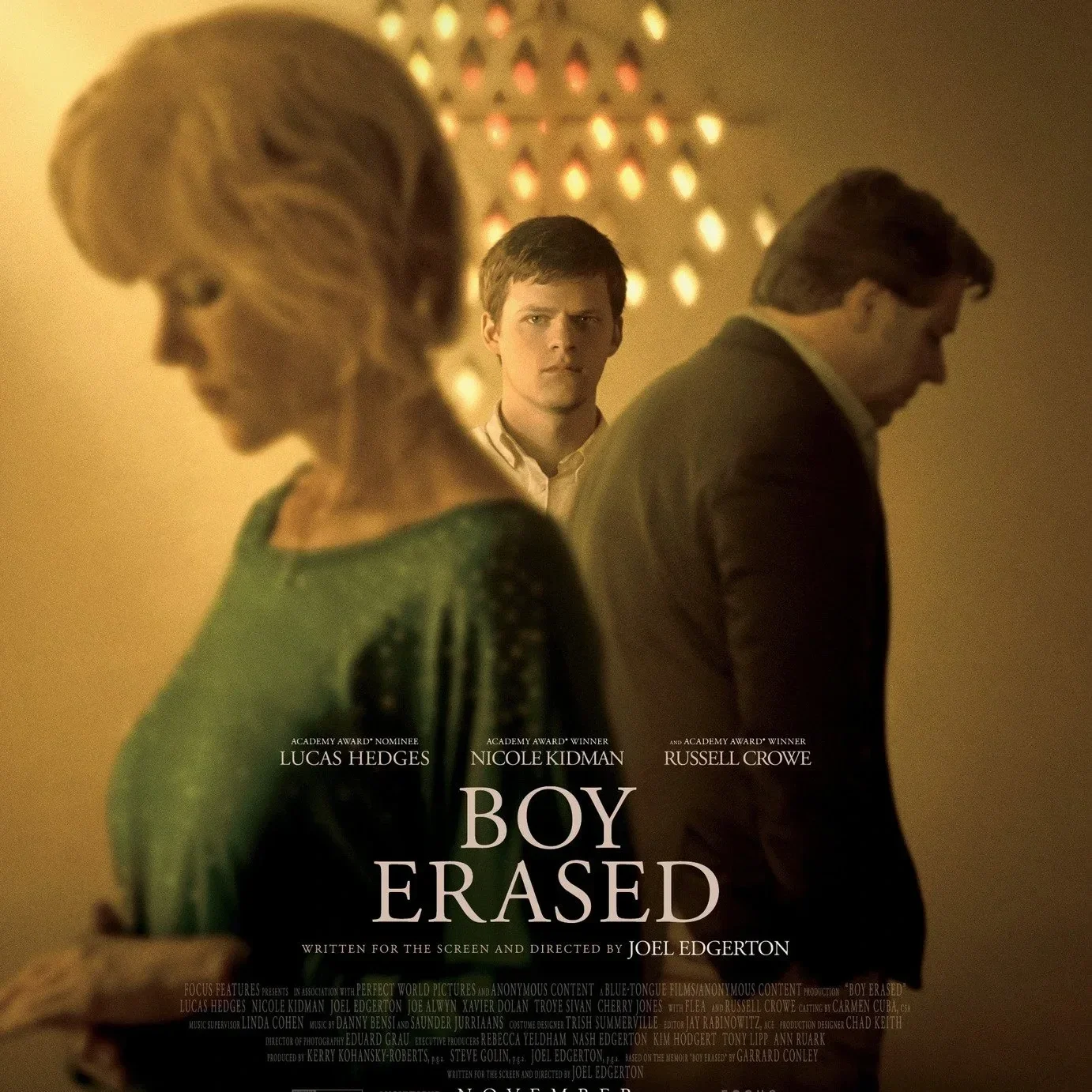
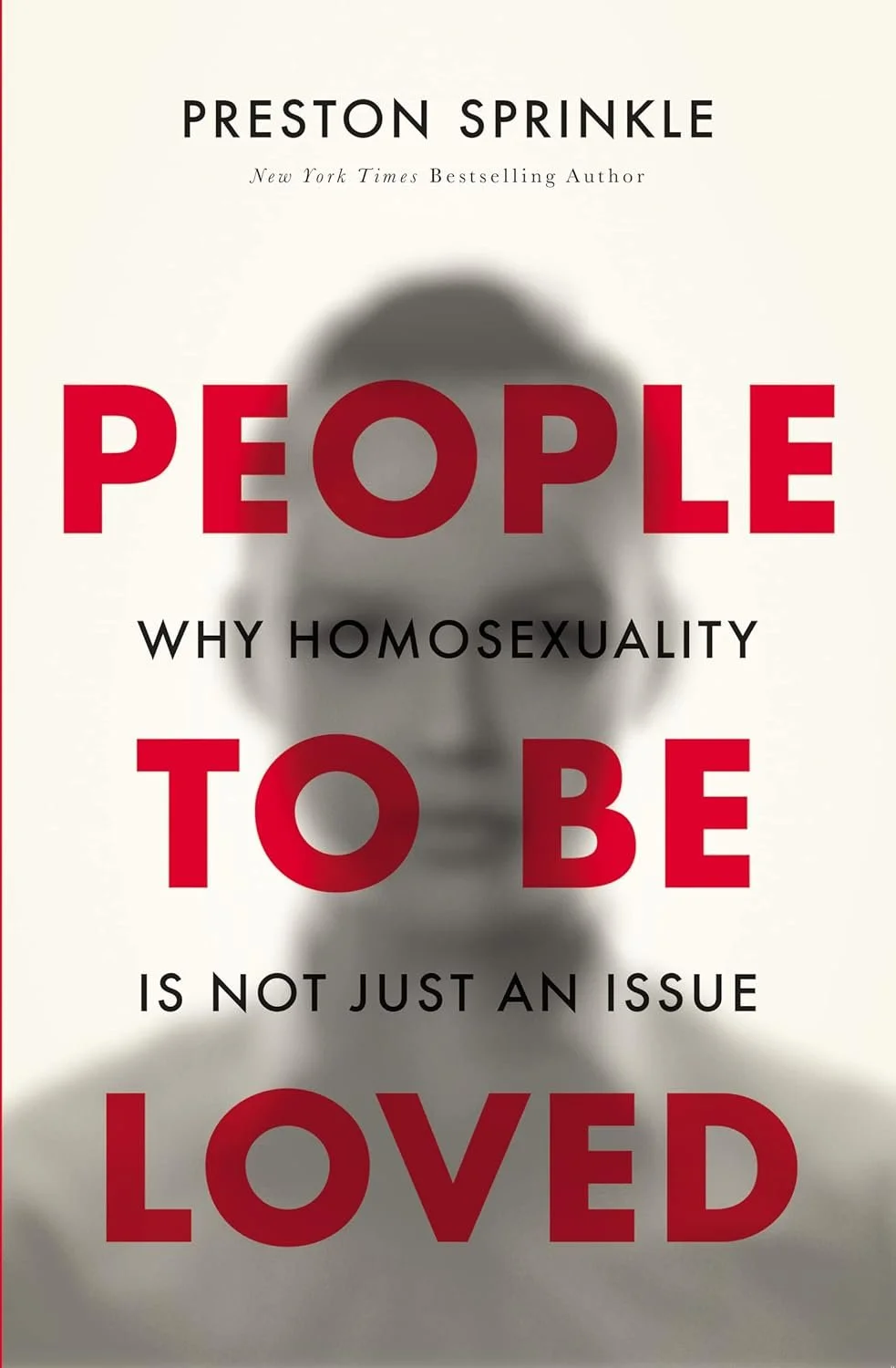
The best way to engage you neighbor is to educate yourself on where they are coming from. Many conversations around sexuality and gender in Church are rooted in misinformation and a lack of understanding around the scale of interpretation and experience. Below are a collection of movie recomendations and books from a wide range of opinions to help you sit and consider.