Theology In Part
How We Read the Bible

Back in the hills of Lancaster, SC, there is a small, white bricked, old church. It’s situated on land that once belonged partly to my great-grandmother, an amazing woman of faith. I heard many stories of the Vacation Bible schools and choir practices my grandma attended there as a little girl. For a poor Black community, this small one-room sanctuary was an access point to Heaven. Of course, this is the South, so there were other churches in town. In fact, my grandmother’s primary church growing up was a different building down the road.
But, on occasion, I’ve placed myself in the shoes of the pastor of such a small congregation. I see those calloused and faithful hands thumb through the crinkled pages of his King James Bible. I see the wise old man as he pulls passages from thousands of years before, spoken to people of a different world. He doesn’t know about the cultural implications of Paul’s letter to the Corinthians. He doesn’t know of the strange societal customs of the first century or the unique tensions between Hellenistic culture and doctrine.
All this pastor knows is that these words hold life; that God has breathed these syllables to confront the injustices his congregation is facing today. Nevertheless, the immeasurable influence and authority that a preacher has to impart foundational truths to his community is unfounded. It’s a mixture of the cultural expectations placed upon a people largely mistreated in society and the hope of a better world promised to those who place their faith in Jesus.
The Cultural Bible
As a younger Black man who was raised in a Bapti-costal Church setting, I have felt that societal pressure seep into our sacred spaces. I have listened to many sermons, men’s breakfasts, and youth conferences. There sometimes seems to be this unspoken tension underneath it all. This idea that since society has demonstrated the lack of value people of color have, the more we have to prove ourselves, and by extension, the less human we get to be. All of that gets baptized in Scripture about “sparing the rod” and “putting away childish things”. I’m not saying that shooting for cultural excellence is bad. However, I want to paint the picture that this conversation around gender and sexuality in the Church is a difficult one to be objective about. What it means to be a “Godly man” or “Godly woman” is largely dependent on how the Scriptures were taught to you and the cultural weight that those roles brought with them.
I want to be clear about the intention of this writing. The Church is the Body of Christ. It is made up of imperfect people who make constant mistakes but, through these errors, encounter the radical grace of God and the opportunity to change and grow. The Church isn’t the problem. God isn’t the problem. The problem is that we, as humans, hate being uncomfortable or living in tension. Our bodies were designed to keep us safe so we survive. Our minds were made to find shortcuts and consolidate the massive amounts of data it takes in each second. This leads us to become creatures of habit that resist change or any challenge to what’s comfortable. We see this demonstrated all across the biblical narrative. In Mark 8:27-33, Jesus asks his disciples who they think he is. Peter declares that Jesus is the Messiah, which carries a particular political idea. So, a few verses later, after Jesus tells his disciples his role as Messiah will lead him to be killed, Peter is resistant. Jesus rebukes him, calling him “Satan” or “accuser”. Our expectations are very powerful things.
“There are faithful Christians who hold both non-affirming and affirming views around the LGBTQ+ Community.”
For some, that might be a difficult statement to read. In my experience, the resistance to this statement lies in the difficulty of interpreting passages in Genesis, Matthew, and even 1 Corinthians in any other way. To many in the Church, this statement feels like a bit of a softening of one’s stance on the authority of the Bible. In past years, I have offered insights into the history behind the nicknamed “clobber passages,” or passages that close the conversation. But I want to challenge you to override your body and mind's need to immediately reject this statement. I invite you for a moment to swirl this idea around like a fine wine you are trying to appraise.
In Romans 10:9, Paul gives us the checklist for those seeking salvation.
“If you declare with your mouth, “Jesus is Lord,” and believe in your heart that God raised him from the dead, you will be saved.”
In Paul’s time, declaring “Jesus is Lord” was a capital offense on the level of treason. It was a renunciation of the authority of the Roman Emperor to dictate one's life. Saying this wasn’t just a one-time confession, but a daily one. Living as though Jesus were Lord rather than the Emperor meant living contrary to all that society offered in terms of comfort. For example, this meant forgiving others (1 Cor 6:1-8), being mindful of cultural idols (1 Cor 10:14), and caring for the poor and lowly of society (Acts 2:45). It also meant not living a life defined by othering and indulging in self-interest. Furthermore, Paul says, “not only say that Jesus is above empirical forces, but also truly believe that Jesus is the victor over Death.” Notably, nowhere in this checklist did Paul say anything about “holding to the Law” or even about identity. Instead, Paul says here that the first step to embracing salvation is noticing who’s bigger than it all: Jesus.
Let’s Time Travel…
Christianity is an ancient faith with a rich history of two thousand years (part of which without the compilation of the Bible).
In fact, the Talmud, an ancient Jewish collection of opinions, commentary, and disputes over the Torah, mentions a spectrum of seven genders. Even if this isn’t an idea from Christian interpretation, it gives us a glimpse into how Scripture was understood during the time of the Bible. (Also, I think there is an interesting connection between being made in the Image of God (Gen 1:27) and the Seven Spirits of God (Rev 4:5) appearing as genders in this interpretation).
Historically, we can say that throughout the Bible, what is described are same-sex acts between men, usually in the context of idol worship, as the result of power imbalance or humiliation, or abusively for commerce. The Bible doesn’t mention identity in connection with this, mostly because the concept didn’t exist in the ancient world. (Learn more in a previous article here.) Aside from our personal interpretations of the Creation narrative, what we have to weigh in our modern interpretation is whether the acts described as sinful in Scripture correspond to the identities we see today. Is it fair to use these passages to categorize a person solely on sexual preference or gender identity?
Many of the earliest Church leaders and teachers couldn’t agree on just what to do with sex. Augustine taught that sex for pleasure between a married couple who couldn’t conceive was sinful. Clement of Alexandria believed that “man’s first disobedience” was having sex. Gregory of Nyssa taught that even in marriage, “the practice of virginity is a certain art, a power of the more divine kind of life”. Of course, in many of these ideas around sexuality, temptation is mostly one direction (women to men). It is worth mentioning that in these patriarchal societies, femininity was seen as weakness and subservience; the ultimate insult was that a man displayed these qualities.
Again, let’s not miss the point: “There are faithful Christians who hold both non-affirming and affirming views around the LGBTQ+ Community.” Even though much has been taught by non-affirming Christians that has caused harm to LGBTQ communities, there are still beautiful imaginings of a common understanding of Biblical passages. The key, however, with those, is a deeper appreciation for the complexities of the human experience. For those friends and neighbors who don’t agree with an affirming view of LGBTQ+ but still move forward in love, the consistent trait is humility. It’s an understanding that the world doesn’t have to cater to their experience. Those beautiful souls hold their convictions while seeking Christ all in all (Colossians 3:11).
Having constructive conversations around gender and sexuality requires humility. Most humans don’t fully know themselves. For everyone, there is a cross-section of experiences and feelings that they will never know. That’s why God made us all different. Not to see one another as a “stumbling block”, but as a window into where God is working and how God is revealing Himself. When we come to conversations seeking to change others, we miss the present moment when God is at work. We miss the Savior who not only raised his friend from the dead, but took the time to sit and weep with those at the funeral.

Prepare for Meaningful Conversation
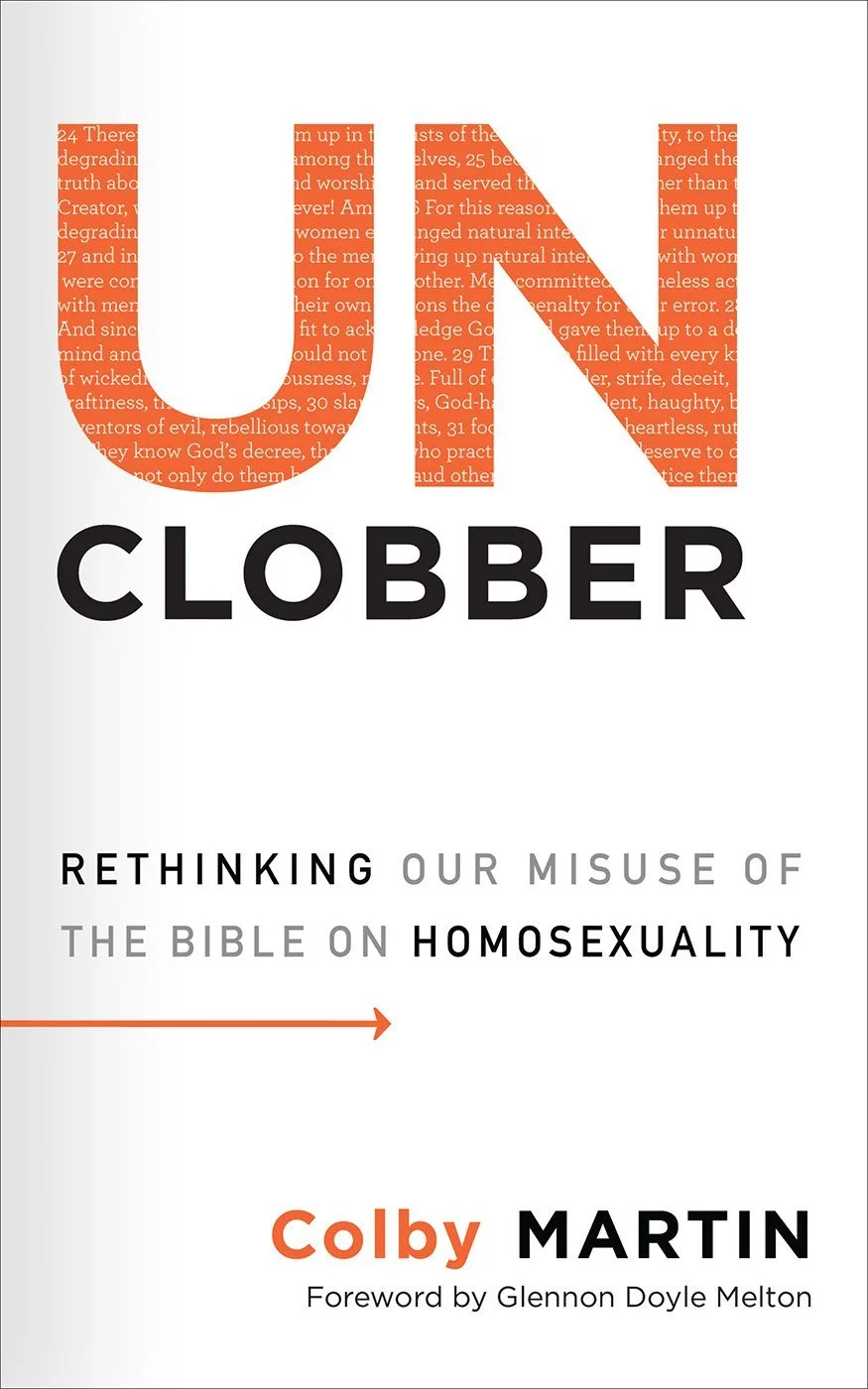
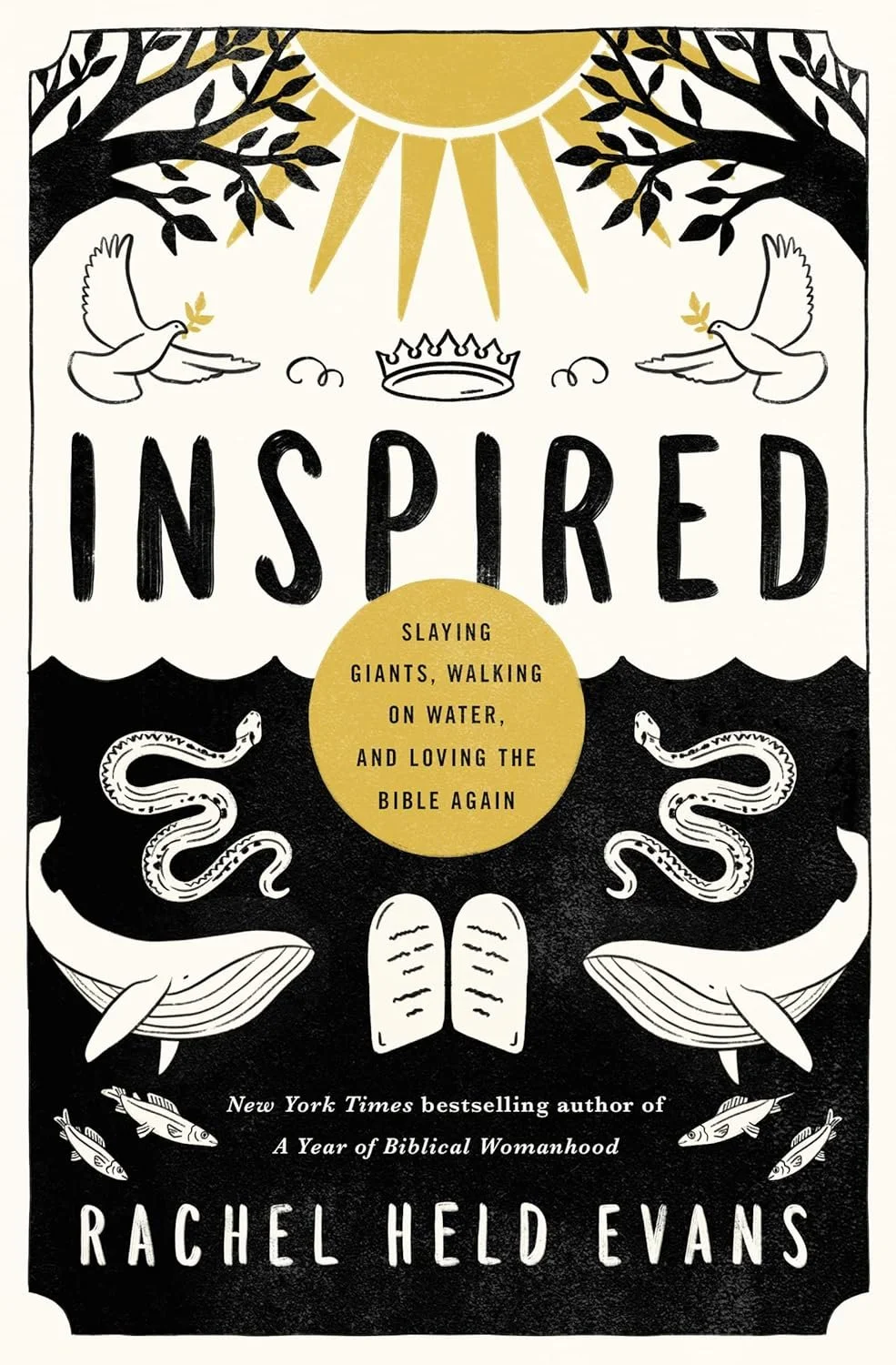
The best way to engage you neighbor is to educate yourself on where they are coming from. Many conversations around sexuality and gender in Church are rooted in misinformation and a lack of understanding around the scale of interpretation and experience. Below are a collection of sermons, podcast episodes, and books from a wide range of opinions to help you sit and consider.