Book of Glory
“But these are written that you may believe that Jesus is the Messiah, the Son of God, and that by believing you may have life in his name.” (John 21:31)
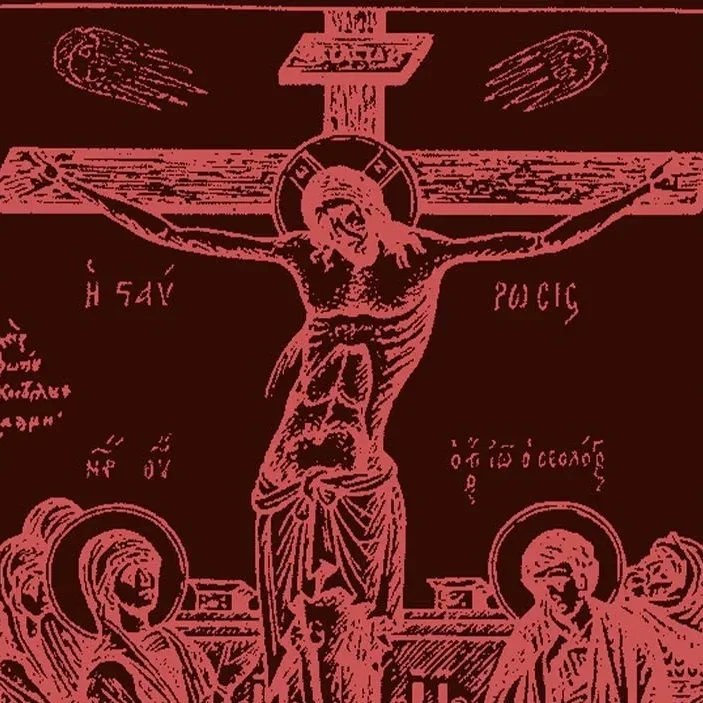
The Gospel of John can be organized in several different ways, but one of the most helpful divisions is this: the Book of Signs and the Book of Glory. The first half of the Gospel (roughly John 1–11) centers on Jesus’ public ministry and highlights seven signs, moments when Jesus reveals who he is through action. The second half (John 12–21) focuses on the final week of Jesus’ life, his betrayal, crucifixion, and resurrection. John calls this section “glory,” not because it’s triumphant in a worldly sense, but because Jesus’ true identity is revealed most clearly in his suffering and rising.
This stands in contrast to the other Gospels. Matthew, Mark, and Luke tend to place glory in Jesus’ future return or at the Transfiguration on the mountain. But in John, the cross and the empty tomb are his Transfiguration. They are the moments when God’s character, love, and power are most fully on display.
Throughout the Book of Signs, Jesus keeps hinting at this coming revelation. He talks about his “hour” as something not yet arrived (John 2:4), and he offers mysterious statements like, “Destroy this temple, and I will raise it again in three days” (John 2:19). These riddles are intentional. They give the disciples time to wrestle with what he is doing and what his sacrifice will mean. John understands Jesus’ death and resurrection not as a tragic accident, but as the climax of God’s story with Israel and the world.
As you read these later chapters, slow down. Let Jesus’ words linger. Some phrases need to be read twice, or carried with you throughout the day. John writes for reflection, not speed. His Gospel rewards meditation more than skimming. Below you’ll find a few articles that explore key stories from the Book of Glory, along with resources to help you notice the symbolism and depth woven throughout the text.