“Why Have You Forsaken Me?”
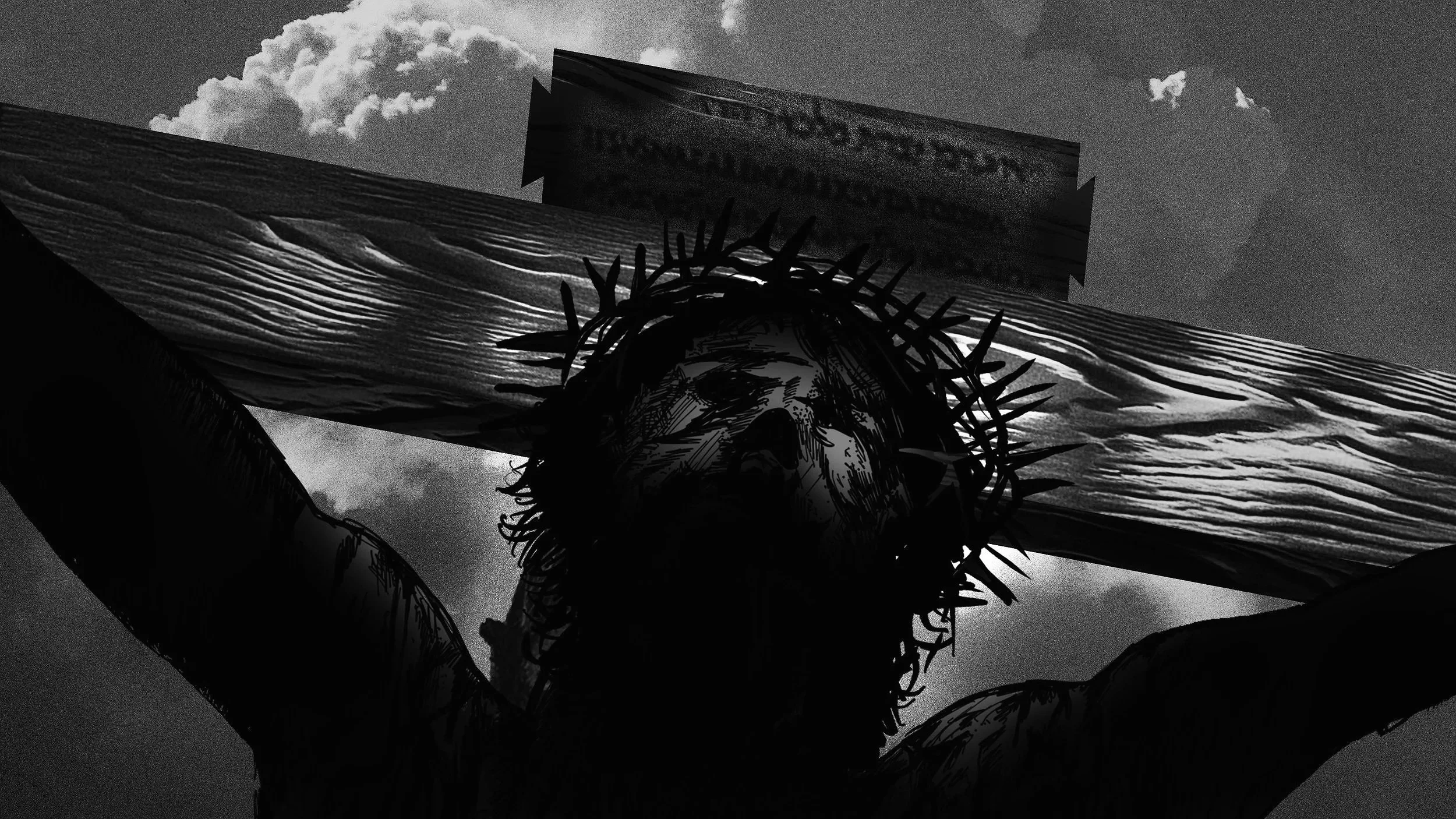
“From noon until three in the afternoon darkness came over all the land. About three in the afternoon Jesus cried out in a loud voice, “Eli, Eli, lema sabachthani?” (which means “My God, my God, why have you forsaken me?”). (Matthew 27:45-46)
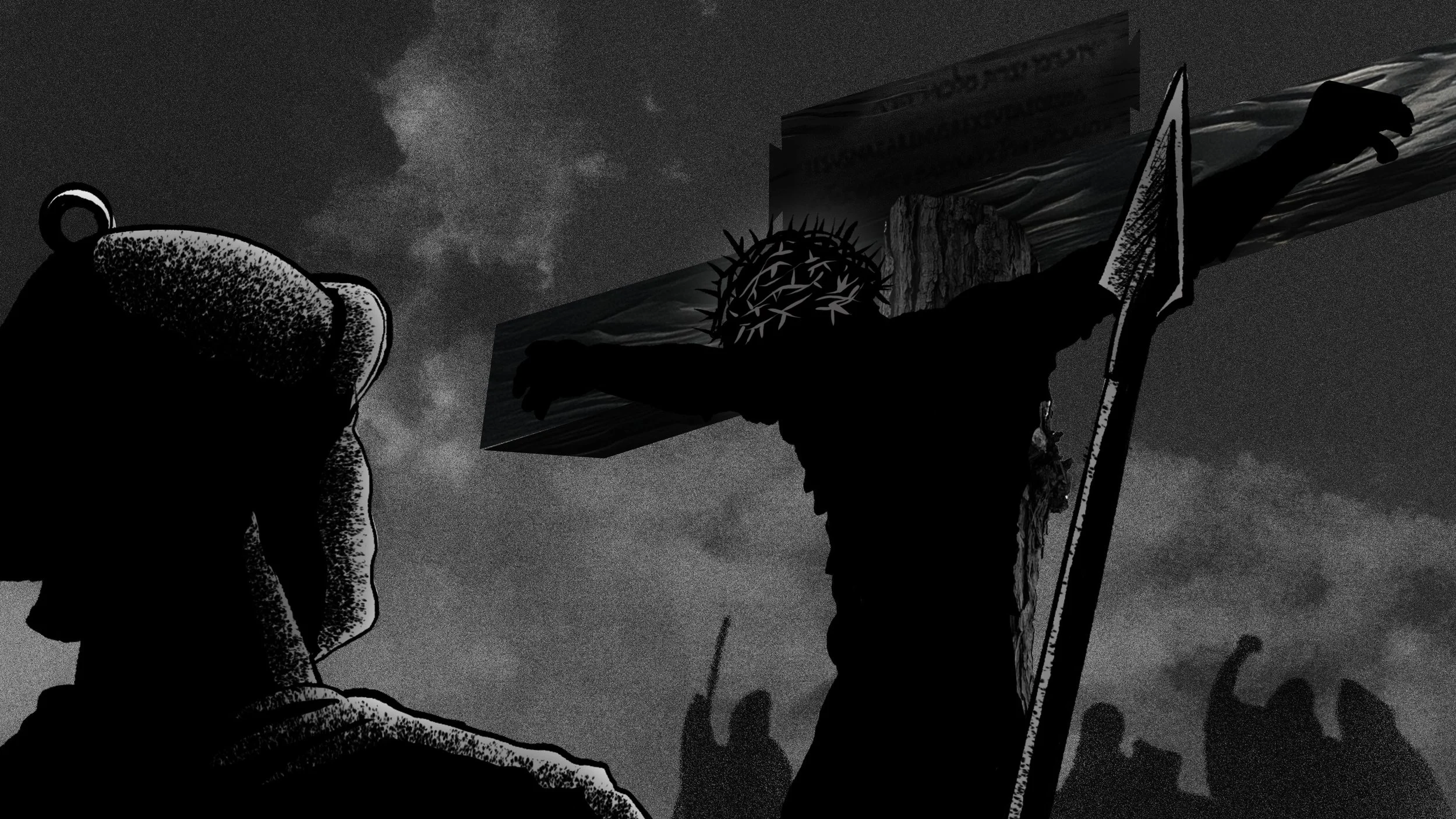
God didn’t lift the darkness. Matthew and Mark both record that at noon, darkness covered the whole land. Jesus was alone. His mother had slipped back into the crowd with the beloved disciple. His other followers scattered or watched from a safe distance. Physically, he endured the worst pain the human body can bear; mentally and emotionally, he absorbed the taunts of passersby and religious leaders who mocked him relentlessly.
No legion of angels was coming. No divine intervention to stop what had already begun. Jesus entered a loneliness so deep it bordered on Hell itself. With the last of his strength, Jesus pulled up on his pierced wrists and heels, inhaled, and cried out: “Eli, Eli, lema sabachthani?” (“My God, my God, why have you forsaken me?”)
These words have been among the most contested in church history, often interpreted, debated, spiritualized, and misunderstood. Almost everyone agrees Jesus is at the height of his suffering; the question has always been what kind of suffering he’s expressing.
The “Why God” Question
Matthew and Mark place this moment after an immensely fruitful season in Jesus’ ministry. He preached with power, reframing Israel’s laws and history. He healed the sick, cast out demons, and even raised the dead. So, for this to be the only recorded saying from the cross in their accounts carries dramatic weight. It names what the disciples and anyone watching must have assumed: God has left him. I’ve felt that way before, trapped in a “why God?” moment.
Why God did they die of cancer?
Why God did they leave me?
Why God am I alone?
Why God should I still try?
To be human is to wrestle with the “why Gods” of life. Physical pain is one thing; emotional and mental suffering compound it in ways words can’t capture. Today, loneliness might be the dominant form of that suffering. We live in the world’s most connected moment, yet experience the deepest relational isolation. We’ve discovered that contact is not intimacy and access is not relationship. Loneliness is a wound that, if left untreated, becomes a breeding ground for self-harm, addiction, and despair. When Jesus cries out from the darkness, many of us instinctively recognize the feeling.
Forsaken for Me?
In many Good Friday services, pastors summarize this moment by saying, “Jesus was forsaken so you wouldn’t have to be.” But why would anyone have to be forsaken? The tension comes from a common atonement claim: that Jesus fully bore the world’s sin in that moment, prompting the holy Father to turn away from him. The problem: this implies a fracture in the Trinity. As theologian Jonty Rhodes notes, the Father, Son, and Spirit share one indivisible divine essence: there is no possibility of separation. God is unchanging and outside of time and cannot become a “Bi-nity” for a few hours on a Good Friday afternoon.
Others argue Jesus suffers divinely not by abandonment but by divine withdrawal, experiencing the absence of God as hellish loneliness. Still others will spiritualize this and say the most painful experience for Jesus on the cross wasn’t the physical pain but the spiritual separation from the Father.
But the question remains: if the cross is meant to “reconcile all things” (Colossians 1:20), why would the Father forsake the Son? Why fracture what is meant to heal?
Matthew 27:46 says: “At about three in the afternoon Jesus cried out…”
He is near the end. Often, people say that in our final moments, the mind flashes back through our story. I wonder if Jesus remembered his time in the wilderness: tired, hungry, vulnerable, and answering the Tempter with Scripture. On the cross, he answers with scripture again. Jesus’ cry is a direct quotation of Psalm 22. Far from a spontaneous outburst, it is a chosen phrase. In the darkest darkness, Jesus sings David’s lament. It was a song the crowd at the cross knew well. Psalm 22 was not just a cry of despair; it was a call for vindication. It begins with abandonment, mirrors crucifixion imagery, then turns at verse 19: “But you, Lord, do not be far from me.” And reaches its climax in verse 24: “He has not despised or scorned the suffering of the afflicted one; he has not hidden his face from him but has listened to his cry for help.” On the surface, it appears to be abandonment. But the Psalm insists: the forsaken one is not forsaken.
It’s Not What It Seems
Just as the crowds standing in the darkness that Friday might misread the moment, we might misread the moment. They heard “Eli” and assumed Jesus was calling Elijah. Elijah was believed to be the last desperate call of a Rabbi in need. They saw struggle and assumed divine failure. They saw a cross and assumed defeat. We might do the same with God and with our own loneliness. But where we see forsakenness, Jesus reveals presence. When it hurts like hell, Jesus descends into it and fills it with God. Though the surface reading of these words points to isolation, God was reconciling all things. The cross is not the site of abandonment; it is the site of embrace. Jesus willingly entered death, something that had no claim on him, not to validate forsakenness but to undo it from the inside out. It wasn’t what it looked like, and loneliness whether ours or his, never is.
Day, Gardiner M. Christ Speaks from the Cross. Seabury Press, 1956.
Rhodes , Jonty. “Was the Trinity Torn Apart at the Cross?” Crossway.Org, 21 June 2021, www.crossway.org/articles/was-the-trinity-torn-apart-at-the-cross/?srsltid=AfmBOoomyWYRlgmzsukxVKB5SYIooRk1LFlEoixikwr65QtUqUR4lZlh.
Beck, Richard. “Non-Violent Penal Substitutionary Atonement.” Experimental Theology, Blogspot, experimentaltheology.blogspot.com/2018/05/non-violent-penal-substitutionary.html. Accessed 27 Jan. 2026.