“Woman, Behold your Son”
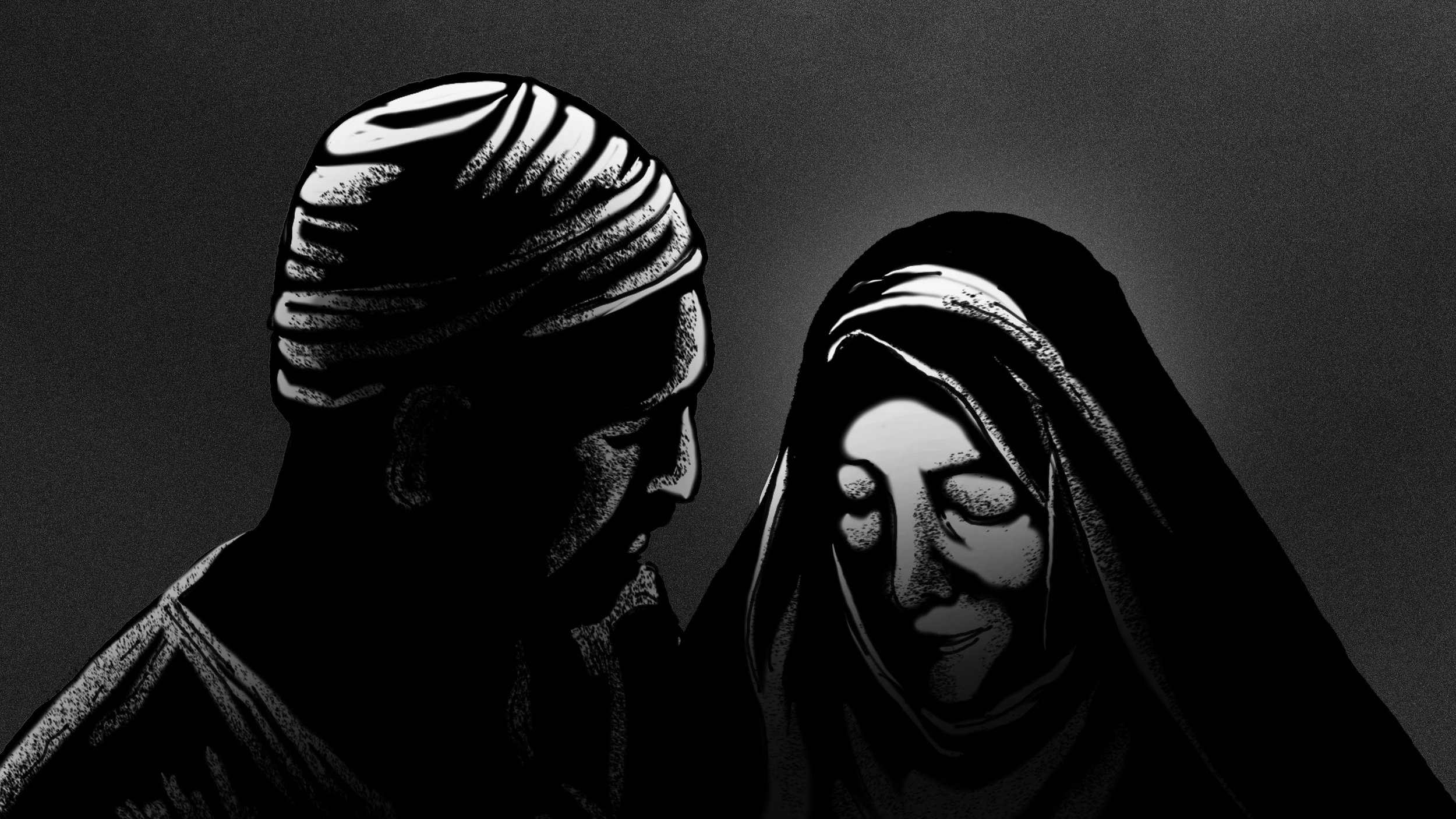
When Jesus saw his mother there, and the disciple whom he loved standing nearby, he said to her, “Woman, here is your son,” (John 19:26)
On May 25, 2020, our society felt the ground shift. George Floyd, a Black man, was murdered while being detained by police after being suspected of using a counterfeit bill. As onlookers watched and filmed, Officer Derek Chauvin pinned George to the pavement, pressing his knee into George’s neck for 9 minutes and 29 seconds. George repeatedly cried out that he couldn’t breathe until he finally lost consciousness. Moments before his death, he called out, “Mama! Mama, I’m through!”, a cry toward comfort that could no longer be answered, as his mother had died two years earlier.
In John 19:25–27, we witness a similar scene of state violence. Jesus hangs on a Roman cross, a legal execution to the empire, but to everyone else, a public lynching. At the foot of the cross stands Mary, the mother of Jesus, surrounded by a small group of women and the beloved disciple. What must have been going through Mary’s mind as she watched her son die at the hands of the state?
We debate each Christmas season whether Mary “knew.” She certainly knew some things, but not everything. When Gabriel announced Jesus’ birth, Mary heard of glory, a throne, and a kingdom (Luke 1:31–33). She didn’t hear “cross.” The first hint of pain came when Simeon prophesied in the temple:
“This child is destined for the rising and falling of many in Israel… and a sword will pierce your own soul too.” (Luke 2:34–35). Later hardship was hinted at when she had to flee to Egypt under threat of Herod’s violence. However, through it all, God protected her son. Why not now? Strangely, Mary shared this experience with Jesus. She knew what it meant to carry the weight of divine purpose. She knew what it meant to be misunderstood, judged, and quietly faithful while others rolled their eyes at her obedience to God. John intentionally draws on imagery of childbirth at the crucifixion. As Mary gave birth to Christ, so Jesus is giving birth to the Church. The mention of “blood and water” from his side is the language of a birth. Hanging there, Jesus’ first couple of statements are not about himself, but about others.
“When Jesus saw his mother there, and the disciple whom he loved standing nearby, he said to her, ‘Woman, here is your son,’ and to the disciple, ‘Here is your mother.’” (John 19:26–27)
Tradition holds that Joseph had died by this point, meaning Jesus, as the firstborn, would have been responsible for Mary’s care. From the cross, he makes sure she is not dishonored or left alone. Three things emerge here:
Perfect Faith
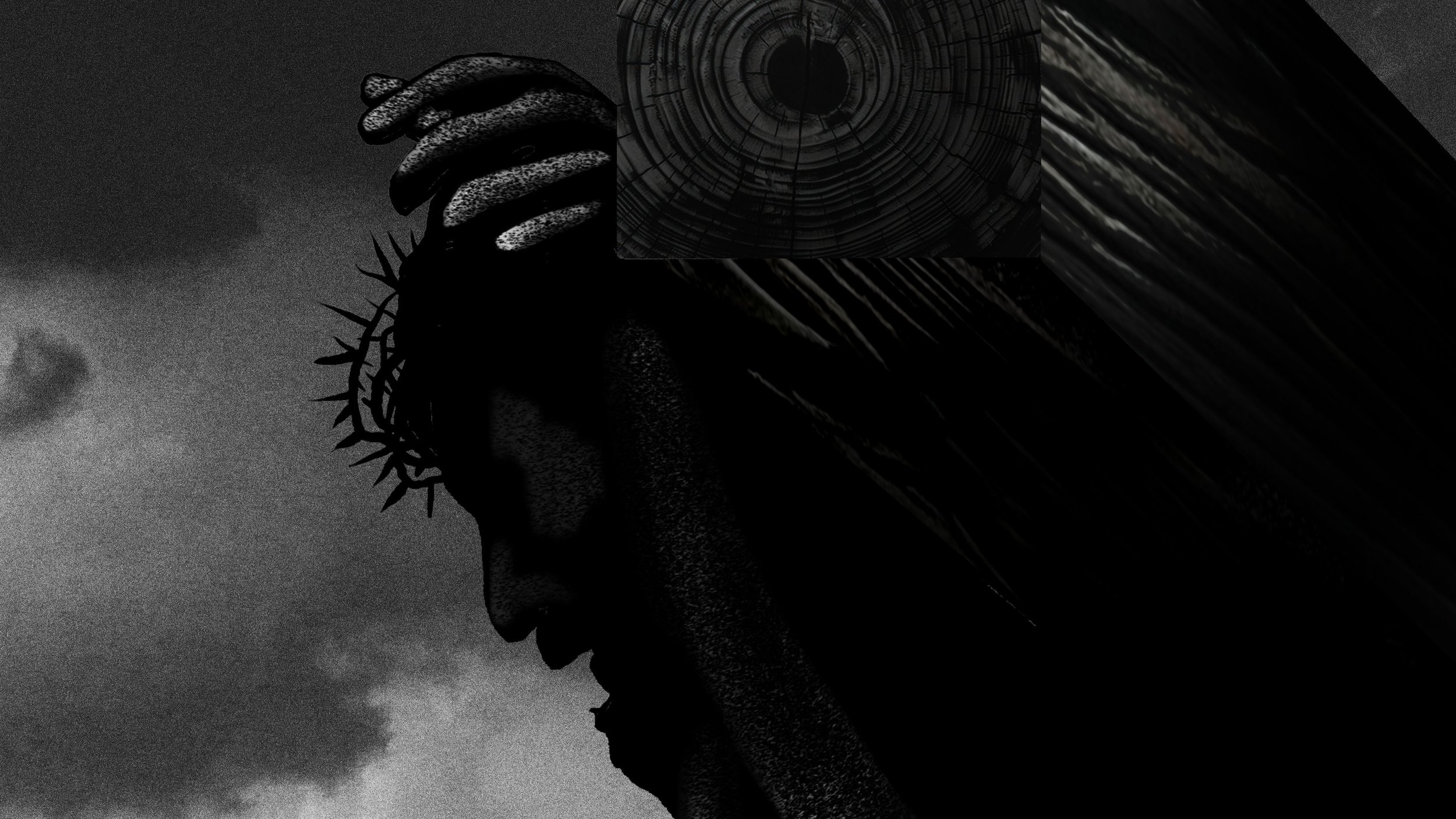
One of the tensions at the heart of the crucifixion is that Jesus is truly human, undergoing a real death. Throughout the Gospels, Jesus tells his disciples what awaits him in Jerusalem: suffering, death, and resurrection. “The Son of Man will be delivered… they will kill him, and after three days he will rise.” (Mark 9:31). But knowing the plan is not the same as avoiding the pain. In John, Jesus repeatedly insists that he does only what the Father shows him (John 8:28). As the God-man, Jesus sees the end from outside time; yet, as a human, he must walk through time by faith. Entrusting Mary to the beloved disciple reveals not just love, but surrender. Jesus is practicing this perfect faith in the Father’s plan. This faith that we access now as believers. Jesus, being obedient unto death in the Father’s plan, is why he is the Righteous One. His obedience is not sterile; it stretches and costs. “He humbled himself by becoming obedient to death—even death on a cross.” (Phil. 2:8)
Releasing the Familiar
George Floyd cried out for his mother at the threshold of death, a deeply human reflex toward the womb, the first place of safety, nourishment, and belonging. Jesus takes that human instinct and reverses it. Instead of clinging to comfort, he releases it. This is the last thing he does before entering the darkest valley of the crucifixion, where he cries out, “My God, why have you forsaken me?” and “I thirst.”
Before Jesus descends into humanity’s deepest pain, he must let go of his last earthly consolation. Where his first word from the cross releases the right to revenge (“Father, forgive them”), this word releases the comfort of the womb. Only then can he fully enter the unknown of death. We glimpse this earlier:
“They offered him wine mixed with myrrh, but he did not take it.” (Mark 15:23) Wine with myrrh was a sedative, lessening pain for longer suffering. But Jesus refuses. He does not numb himself. He feels the fullness of the moment for our sake. That’s what makes him our sympathetic High Priest (Hebrews 4:15).
Tarrying with a Testimony
At the cross, three women and the beloved disciple stand. Women were often allowed closer to executions because they were assumed to pose no political threat. Contrary to many paintings and depictions, the crosses were low to the ground, so Mary could have looked directly into her suffering son’s face. Standing there with her was the mysterious beloved disciple.
Tradition says the beloved disciple is John. If so, Jesus entrusts Mary to the one disciple who stayed, who watched, witnessed, and refused to run. John was contemplative, one who had glimpsed Jesus’ glory at the Transfiguration and could sit with Mary through the silence of Saturday. John could help her remember what God had already said when grief tried to rewrite the story.
But there is another intriguing possibility. Earlier in John, we hear of “the one Jesus loved”—identified as Lazarus. If Lazarus was the beloved disciple standing with Mary, Jesus is arming Mary with something those guards around the cross should fear. Jesus is placing Mary in the care of a man who has already experienced resurrection. He is giving her a testimony to carry into the darkest day. He is arming her not with defense, but with evidence. Resurrection yesterday is strength for our Fridays. Testimony is fuel for our Saturdays. And for all of us, faith is the stubborn belief that Sunday is coming. Faith begins when we believe God can. Hope begins when we believe God will. Love is what keeps us standing at the foot of the cross long enough to see how the story ends.