“Into Your Hands…”
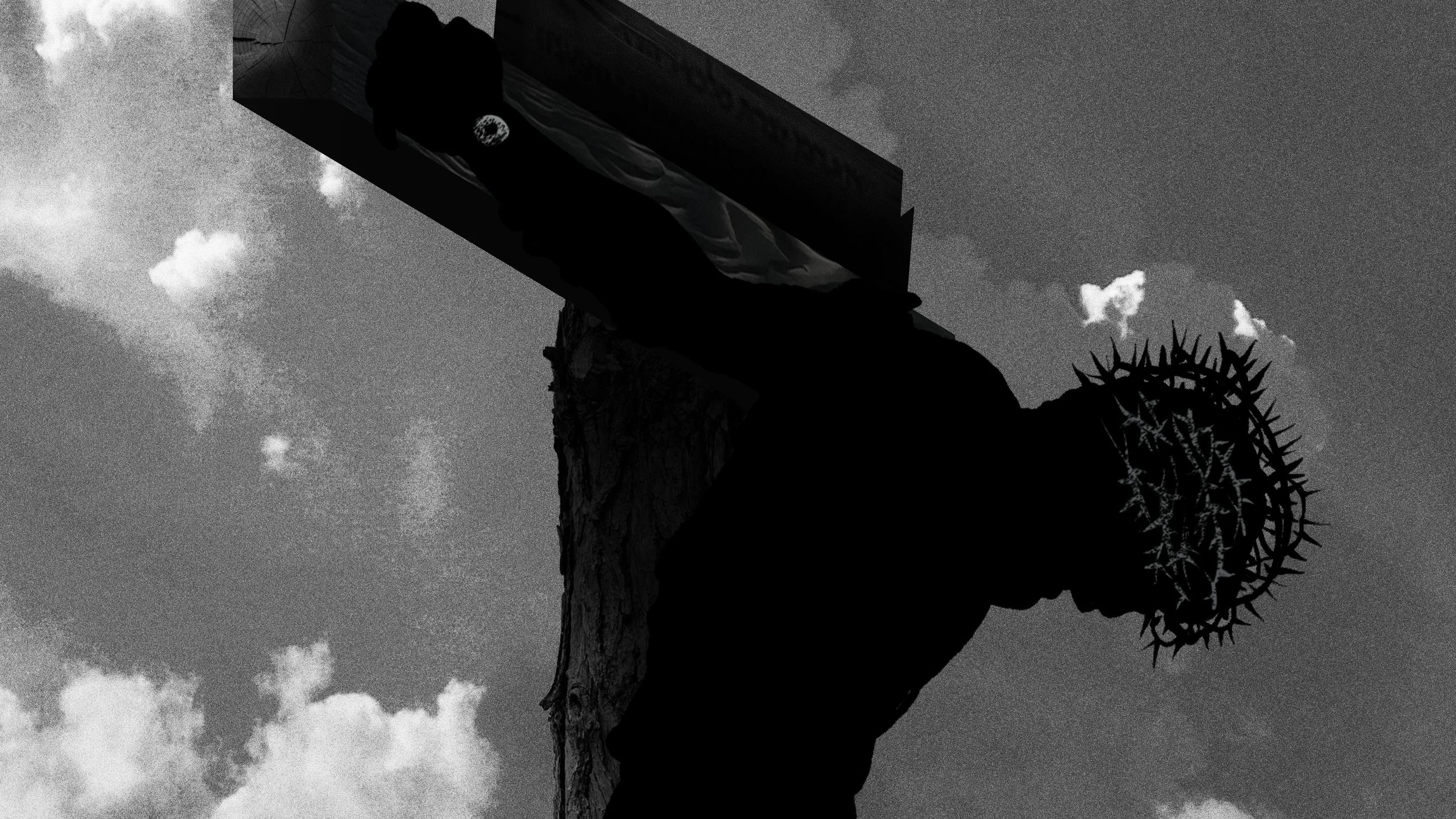
“Jesus called out with a loud voice, “Father, into your hands I commit my spirit.” When he had said this, he breathed his last.” (Luke 23:46)
Jesus had hung on the cross for six hours. The ordeal was unlike any execution Jerusalem had ever witnessed, but the world did not stop. We often imagine creation holding its breath at the moment of Jesus’ death, yet ordinary life continued all around him.
At 9:00 a.m., as Jesus was being nailed to the cross, pilgrims in the city for Passover crowded Jerusalem’s streets. They bargained for cattle, spices, and bread, preparing for the coming Sabbath. Commerce moved on, and conversations continued.
At noon, as darkness spread across the land, something else was happening. In the Temple, the second lamb of the tamid offering was being bound to the altar. The tamid was the daily sacrifice of two lambs offered morning and evening on behalf of the community for the forgiveness of sin.
At 3:00 p.m., the lamb was slain. At 3:00 p.m. that Friday, the Lamb of God gave his life. But before Jesus released his spirit, he once again turned to the words of his ancestor David: “Father, into your hands I commit my spirit.”
A Covenant Song
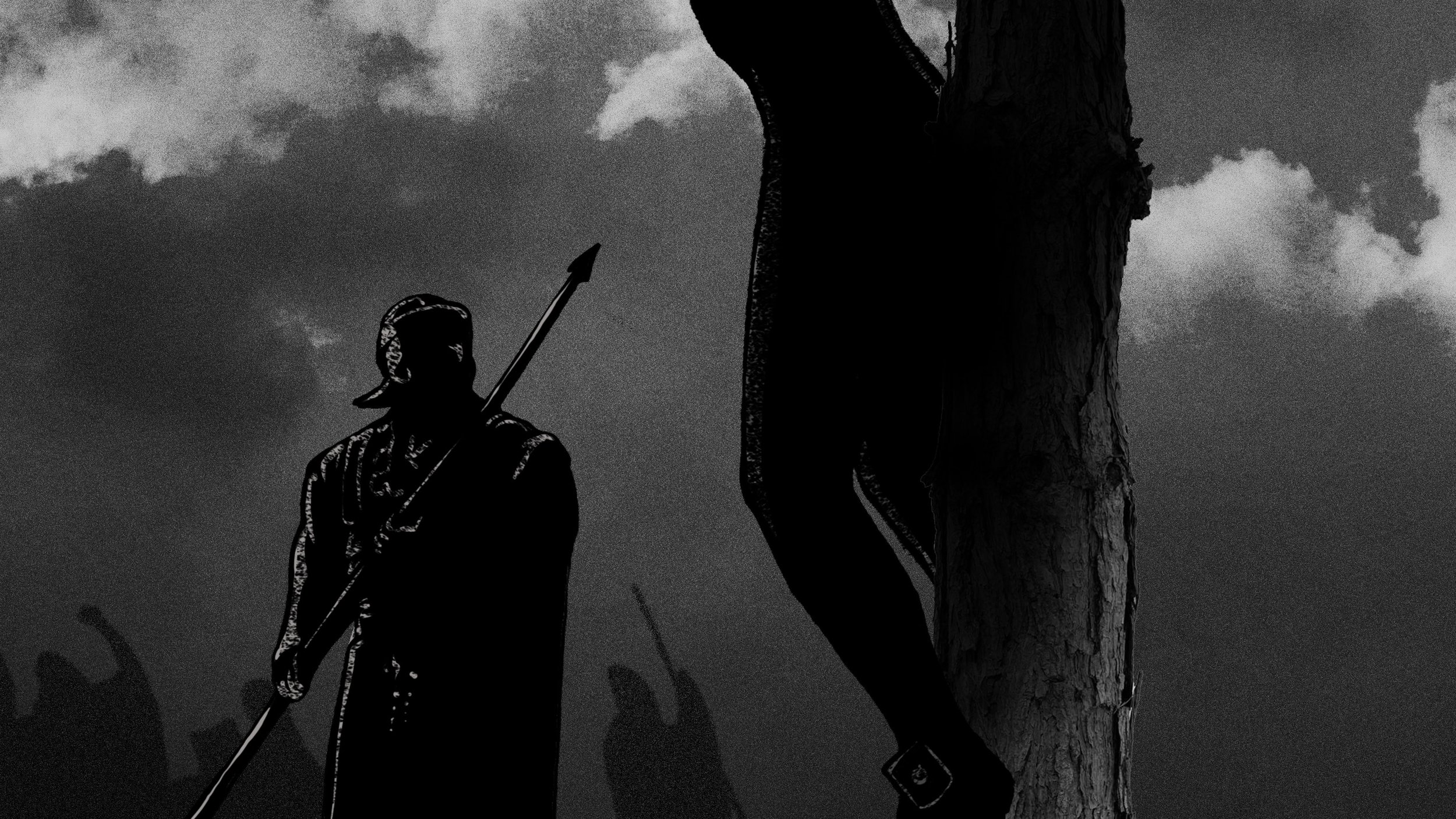
Psalm 31 is a public lament, a prayer spoken aloud in distress. David writes it while surrounded by enemies, yet anchored in trust. From its opening lines, the psalm is filled with images of refuge and shelter: “In you, Lord, I have taken refuge; let me never be put to shame”(v.1). “Be my rock of refuge, a strong fortress to save me”(v.2). God is a dwelling place, a hiding spot, and place to rest.
Verse 5 contains the line Jesus borrows on the cross: “Into your hands I commit my spirit.” Jewish tradition suggests Psalm 31 was often recited during evening offerings, precisely when the second tamid lamb was sacrificed. The psalm functioned as a reaffirmation of Israel's covenant with God; a reminder that God was their ultimate refuge. But Jesus means the words quite literally. In fact, Jesus was instituting a new covenant.
A Torn Temple
Throughout Luke’s Gospel, Jesus is consistently placed alongside the Temple and always as its fulfillment. The story opens with the priest Zechariah encountering an angel in the Temple, immediately followed by Mary receiving angelic news in Nazareth. Jesus is recognized as the Messiah in the Temple as an infant. At twelve, he teaches and confounds the religious leaders in its courts. Near the end of his ministry, he cleanses the Temple, exposing its corruption, an act that accelerates his betrayal and death.
Luke is making a claim: Jesus is the greater Temple. He is the true dwelling place of God. When Luke records Jesus’ death, he is careful with his details: “It was now about noon, and darkness came over the whole land until three in the afternoon, for the sun stopped shining. And the curtain of the temple was torn in two.” (Luke 23:44-45) Only then does Jesus speak: “Father, into your hands I commit my spirit.” The veil, once restricting access to God’s presence, is torn. What human institutions could never accomplish, Jesus completes. His death creates access to the Father. The Temple’s sacrifices pointed forward; Jesus fulfills them. His death is a sacrifice; it costs him everything. And his life is an offering; freely given to us.
Luke’s sequel, the Book of Acts, shows how the early church understood this moment. In Acts 7, Stephen stands on trial before the same leaders who pushed for Jesus’ execution and declares: “The Most High does not live in houses made by human hands.” (Acts 7:48) The Temple, once central, had become restrictive, policed, controlled, and guarded. Jesus had overturned its tables in protest. But on the cross, he does what the Temple never could: he transforms wilderness into sanctuary, distance into intimacy, exclusion into invitation.
The Secret of the Resurrection
“Father, into your hands I commit my spirit.”
Death is the ultimate unknown. We do not know what it means to exist without a body, without sensation, without location. Nothingness is a mystery, but Jesus enters fully into it. Some argue, “But Jesus knew he would rise.” Yet Scripture is clear: resurrection is not self-generated. Paul writes: “If you declare with your mouth, ‘Jesus is Lord,’ and believe in your heart that God raised him from the dead, you will be saved.” (Romans 10:9) Do you know the secret to resurrection? Jesus does not raise himself. He entrusts himself. Like David before him, Jesus places his life entirely in his Father’s hands, trusting that the Father knows what is best. This is where the story turns toward us.
You don’t have to face death to practice surrender. You can release control daily. You can listen for God’s voice. You can trust that refuge is not found in systems, certainty, or self-protection, but in God himself. With his final breath, Jesus modeled surrender. Through his surrender, access was opened.
Black, C. Thomas. “Spiritual Implications of the Timing of the Death of Jesus Christ.” The Interpreter Foundation.Org, The Interpreter Foundation, 2025, interpreterfoundation.org/journal/spiritual-implications-of-the-timing-of-the-death-of-jesus-christ.
Guzik, David. “Enduring Word Bible Commentary: Psalm 31.” Enduring Word.Org, Enduring Word, 3 Feb. 2025, enduringword.com/bible-commentary/psalm-31/.