Gospel of Matthew Intro
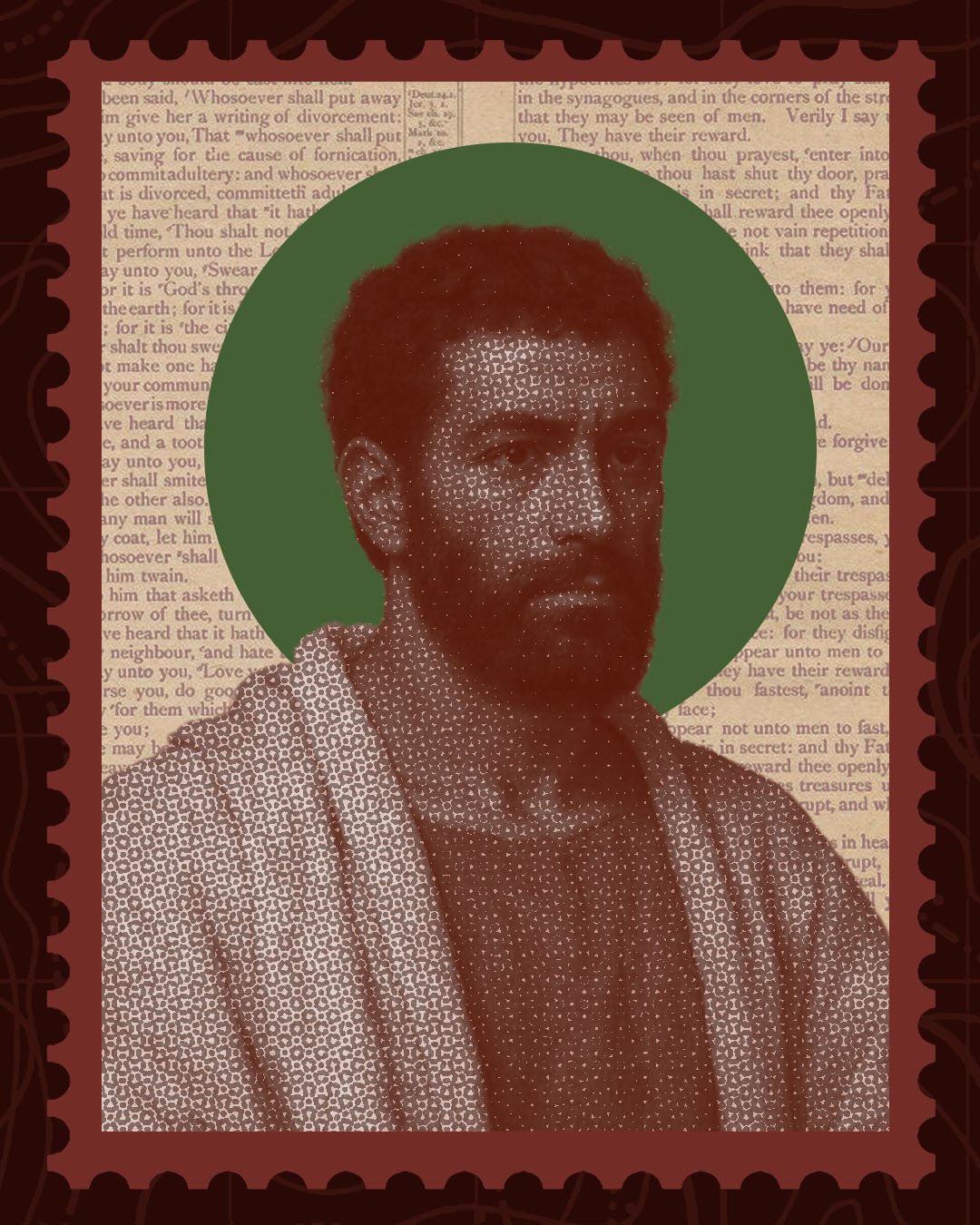
Matthew presents Jesus as the ultimate Jewish Rabbi.
Author: Traditionally the former tax collector turned Apostle, Matthew, was the author. Scholars don't know for sure. But much of the stories included appear to shared with Luke’s Gospel.
Audience: Jews and the Jewish Christians
Year Written: Somewhere between the years 70 AD and 110 AD
Language: Ancient Greek and some Aramaic
The Gospel of Matthew stands out as an extraordinary account of the life of Jesus Christ. Its goal is to present Him as the long-awaited Jewish Messiah and King. Aimed primarily at a Jewish audience, Matthew's Gospel portrays Jesus as "the new Moses," drawing clear parallels between the lives of these two pivotal figures. By comparing their origin stories—found in Exodus 1-2:10 and Matthew 2—readers can see the intentional echoes of Baby Moses' story in the birth of Jesus, emphasizing His role as the fulfillment of Jewish prophecy.
Structure and Significance
Matthew's Gospel is meticulously structured in two different ways to resonate with Jewish listeners. The first way pulls from the structure of the Torah which contains five books (Genesis-Deuteronomy). Likewise, Matthew's Gospel is organized around five significant discourses delivered by Jesus, where He reinterprets the Law. These speeches can be found in:
Sermon on the Mount (Matthew 5-7)
Mission Discourse (Matthew 10)
Parabolic Discourse (Matthew 13)
Discourse on the Church (Matthew 18)
Olivet Discourse (Matthew 23-25)
This structure would have been significant to Jewish believers who were beginning to place their faith in Jesus and recognize Him as a master Rabbi.
The second way Matthew is organized is around 7 mountains. Since Jesus is often compared to Moses, the key moments in His life happening on mountains strengthens this connection. This is meant to allude to Moses’ many experience at Mount Sinai. Sinai was crucial for the Jewish people because it’s where the Law of the Covenant was given. By linking Jesus's life to mountains, we see the beginning of the New Covenant. This is how we will be looking at the Gospel of Matthew in our study.
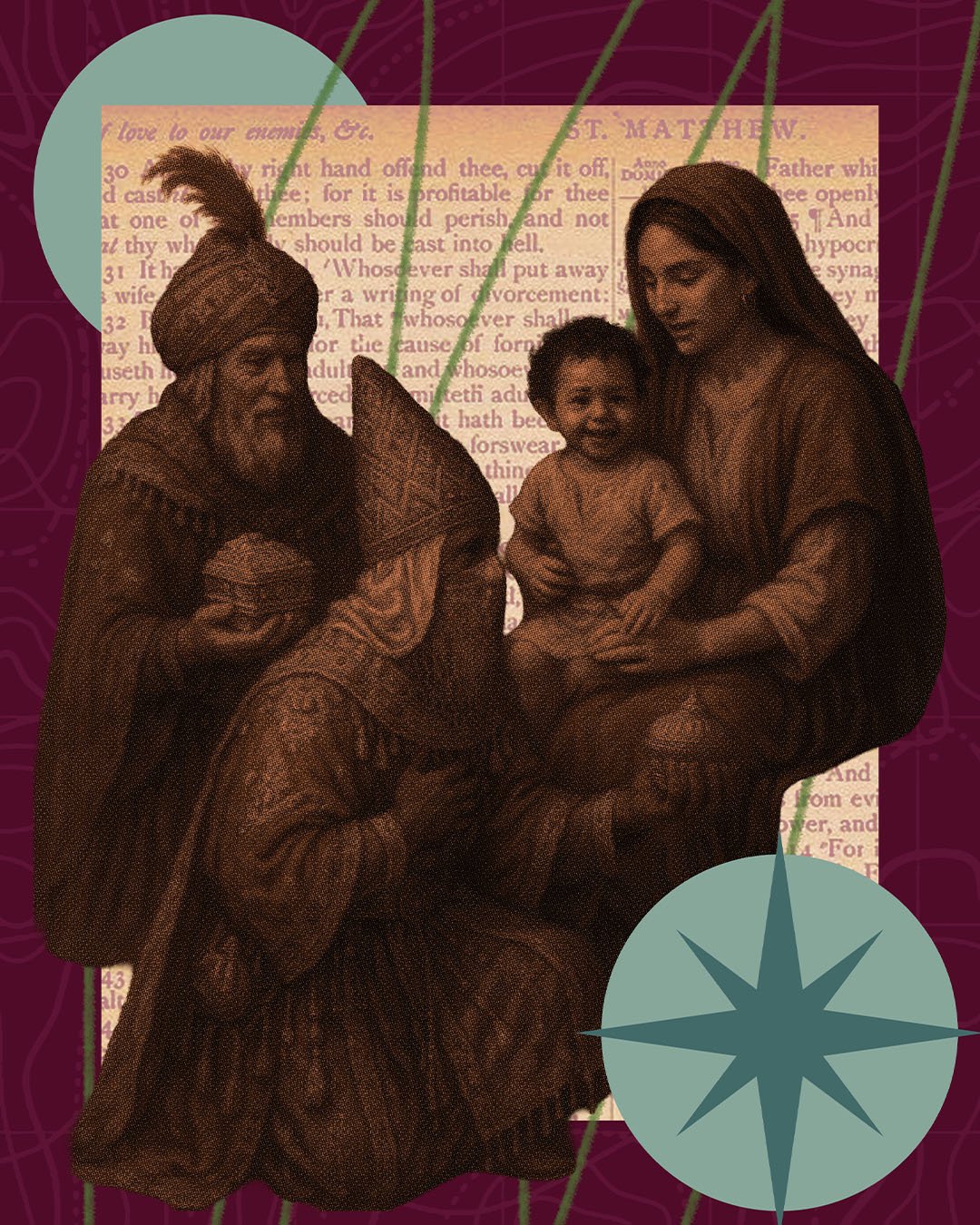
The Great King
One of the main themes in Matthew is exploring Jesus’s kingship. The Gospel starts with a genealogy showing that Jesus is a “son of David” and a “son of Abraham.” This is important because the Messiah was expected to come from David’s family and fulfill the promise made to Abraham. Matthew highlights important figures in Israel’s history, like Ruth, Jesse, and Solomon, to show Jesus’s royal lineage. Additionally, Matthew shares the story of Joseph, Jesus’s earthly father, receiving a message from an angel about Mary’s pregnancy through the Holy Spirit. This shows that Jesus is not only a king by bloodline, but also by divine choice.
In Matthew 2, the story of the Magi from the East worshiping Jesus as king highlights how other nations recognized Him as the rightful king. The idea of Jesus as the Jewish King is a key theme throughout the Gospel.
Prophecy
When we think of prophecy, we typically think of predicting future events. On the surface, that’s what Matthew seems to be doing in his Gospel. However, some of the prophecies he references are a bit more complicated. Some of the verses he points to come from Old Testament passages that originally had nothing to do with the Messiah or may have referred to something else entirely.
This means that Matthew’s use of prophecy can have two possible meanings. In some cases, the verse directly predicts a future event, pointing clearly to something that will happen. In other cases, the cited passage is used as a lens through which the present moment is understood in light of the past. Many Jewish readers of Matthew’s Gospel would have recognized how the events of Jesus’s life closely mirrored significant moments from their own history. This connection helped reinforce the idea that Jesus was indeed the promised Messiah.