The King’s Cross
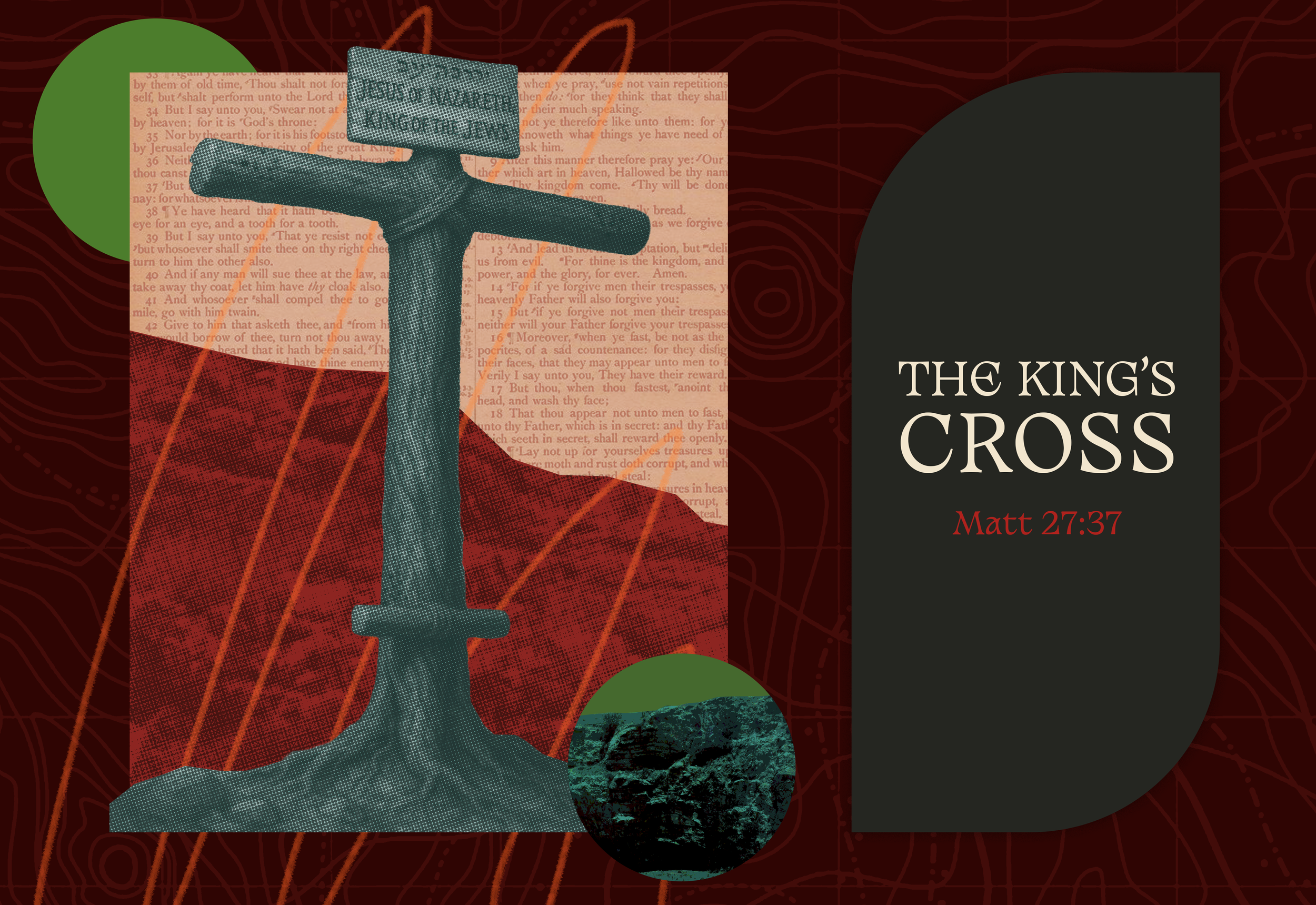
“Above his head they placed the written charge against him: This is Jesus, the King of the Jews.”
Before Matthew leads his readers to the final mountain of resurrection and commission, he slows the pace of the story and invites us to view Jesus' suffering through two meals. These meals become lenses, helping us understand who Jesus is and what his death means.
1. The Woman who reveals Jesus as King
Matthew's Passion narrative begins with an unnamed woman approaching Jesus with an expensive jar of perfume (Matthew 26:6-13). She pours it over his head while he is reclining at the table. Those present are outraged. The perfume could have been sold and the money given to the poor. Yet Jesus defends her actions: "She has done a beautiful thing to me... In pouring this perfume on my body, she did it to prepare me for burial" (Matthew 26:10,12).
For Matthew's readers, this scene would have carried royal overtones. Throughout Israel's Scriptures, kings were publicly identified through anointing. Samuel anointed David with oil as a sign of God's choosing (1 Samuel 16:13). Here, an unnamed woman recognizes something that many others miss: Jesus is the King. Yet, even the woman was not aware that he was not being prepared for a throne, but for a tomb. Matthew reminds his readers that the suffering to come does not undermine Jesus' identity. Even on the road to the cross, he remains God's chosen King.
2. The Passover that Reveals Jesus as the Lamb
Matthew, then, shifts to Jesus' final meal with his disciples (Matthew 26:17-30). The careful preparation surrounding this meal highlights its significance: Jesus shares the Passover with his followers. For generations, the Passover meal had retold the story of God's deliverance through Moses. Israel remembered their rescue from slavery in Egypt and the lamb whose blood marked their homes for protection (Exodus 12).
During the meal, Jesus takes familiar elements and gives them new meaning. The bread becomes his body while the cup becomes his blood. Jesus places himself at the center of the story. Just as God once delivered Israel from slavery in Egypt, Jesus announces a greater deliverance through his own sacrifice. Matthew presents Jesus as the true Passover Lamb whose death brings liberation from sin and evil.
3.The Cross that Reveals Jesus as Suffering Servant
These two meals shape how readers understand everything that follows. Jesus' arrest, suffering, and crucifixion are not tragic interruptions to his mission. They are the fulfillment of it. Matthew repeatedly draws attention to Israel's Scriptures to show that Jesus' suffering was anticipated within God's redemptive story. The prophets spoke of a righteous sufferer. For example, the Prophet Isaiah described a servant who would be: "Despised and rejected by mankind, a man of suffering, and familiar with pain" (Isaiah 53:3).
Matthew's Passion narrative highlights the painful reality that many religious leaders reject Jesus and align themselves with the powers of Rome. Yet even human betrayal, political expediency, and injustice cannot derail God's purposes. The cross becomes the place where God's faithfulness meets humanity's unfaithfulness. However, the King still reigns from a cross and fulfills the Law and the Prophets.
The final mountain will proclaim that death does not have the last word. But Matthew wants us to arrive there remembering exactly what kind of King has risen; the anointed King who became the Passover Lamb for the sake of the world.