Mountain 3
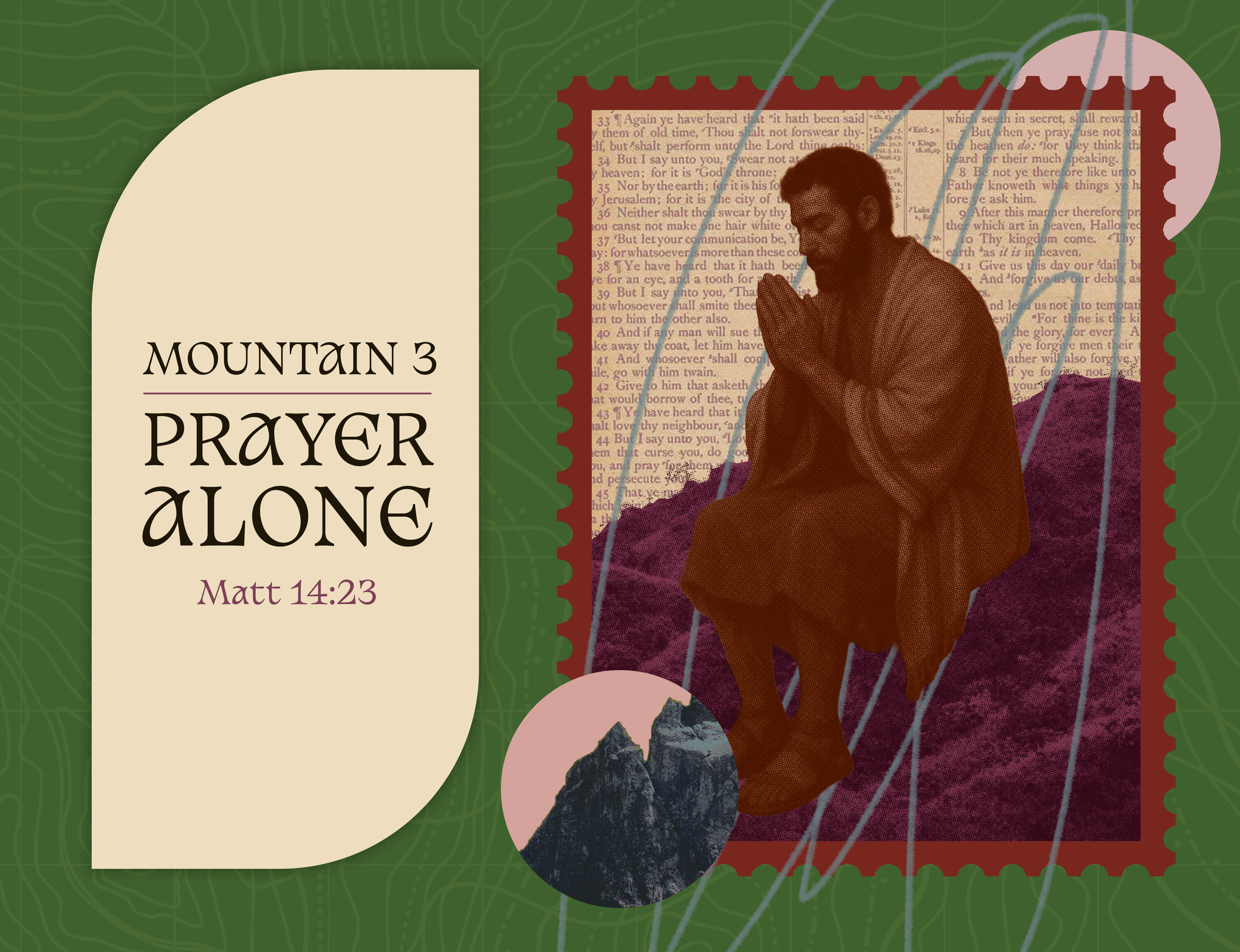
“After he had dismissed them, he went up on a mountainside by himself to pray. Later that night, he was there alone,”
Of all the mountains in Matthew's Gospel, the mountain of prayer may seem the quietest. Yet it is perhaps the most foundational. Again and again, Matthew shows Jesus withdrawing from crowds, stepping away from ministry demands, and seeking solitude with the Father. Prayer was not an occasional practice for Jesus. It was the rhythm that sustained his life and ministry. Matthew highlights this reality in several different ways.
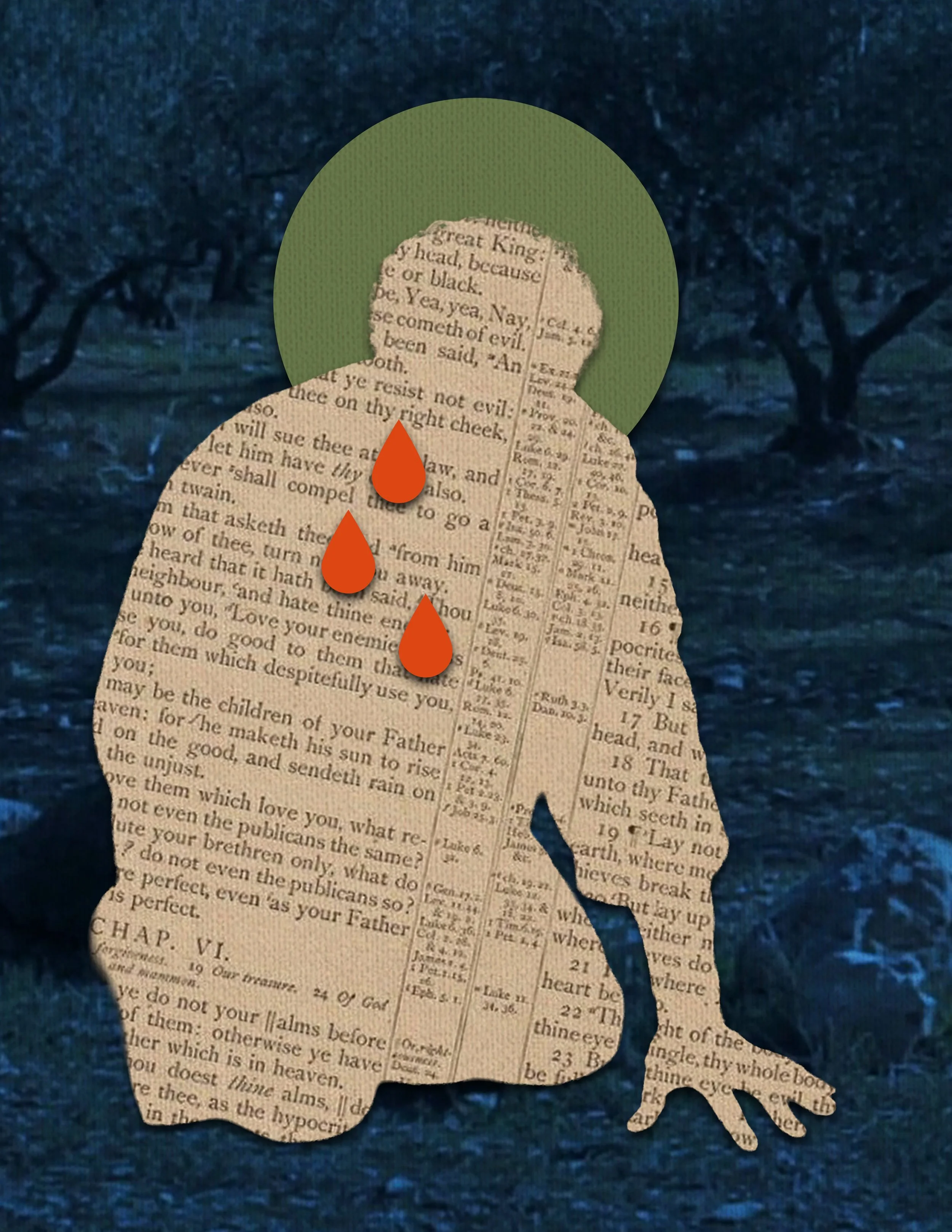
Jesus’ most famous prayer alone was before his death in the Garden of Gethsemane.
1. Jesus Prayed in Advance
When Jesus teaches his disciples how to pray, he begins with a startling invitation:
"Our Father in heaven..." (Matthew 6:9)
For many Jewish listeners, this language would have been deeply personal. Jesus presents prayer not primarily as a religious duty but as relational communication with God. Children in the ancient world depended upon their fathers for provision, guidance, and protection. By teaching his followers to call God "Father," Jesus invites them into the same relationship of trust that he himself shares with God.
The Lord's Prayer reflects this posture. It begins by honoring God's name and surrendering to God's will, then proceeds to address daily needs, forgiveness, and protection from temptation. Prayer becomes a place of dependence rather than control. Jesus did not simply teach this way of praying; he lived it. Prayer prepared him for the work ahead. It was his regular practice long before crisis moments arose.
2. Jesus Prayed Through Adversity
The importance of prayer becomes even clearer in the Garden of Gethsemane (Matthew 26).
Knowing that arrest, suffering, and death lie ahead, Jesus withdraws to pray. Matthew tells us that he was "overwhelmed with sorrow to the point of death" (Matthew 26:38).Rather than hiding his anguish, Jesus brings it honestly before the Father. Three times he prays and entrusts himself to God's will.
Meanwhile, the disciples struggle to stay awake. Jesus urges them, "Watch and pray so that you will not fall into temptation" (Matthew 26:41). Prayer, for Jesus, is not an escape from hardship but a source of strength within it. Even in his deepest distress, Jesus chooses trust over self-preservation. He brings his fears, desires, and grief into the presence of the Father. Prayer does not remove the cross, but it prepares Jesus to endure it faithfully.
3. Jesus Prayed Alone
Matthew also notes that after feeding the 5000, Jesus sends his disciples away and goes up a mountain by himself to pray (Matthew 14:23). This detail is easy to overlook, but it reveals something important. Jesus sought solitude not only before challenges but also after seasons of ministry success. Whether facing temptation, teaching crowds, grieving loss, or celebrating God's provision, Jesus returned to prayer.
For someone who valued prayer so deeply, Jesus spoke about it with remarkable simplicity: "Do not heap up empty phrases... your Father knows what you need before you ask him" (Matthew 6:7–8).
Prayer was never presented as a performance or complicated formula. Honesty mattered more than eloquence. Presence mattered more than perfection. For Jesus, prayer was a lifeline; a continual return to the Father through every season of life. The mountain of prayer reminds us that intimacy with God is not built only in moments of crisis. It is cultivated through daily dependence. Jesus shows us that prayer is not merely preparation for ministry; it is the way we learn to live as children of God. The quiet mountain of prayer ultimately becomes the foundation beneath every other mountain in Matthew's Gospel.
Keener, C. (1999). Lord of the Sea (14:22-33). In A Commentary on the Gospel of Matthew (pp. 406). essay, W.B. Eerdmans Pub. Retrieved June 4, 2026, from https://archive.org/details/commentaryongosp0000keen/page/144/mode/2up.
Schweizer, E., & Green, D. E. (1975). The Good News According to Matthew. John Knox Press.